
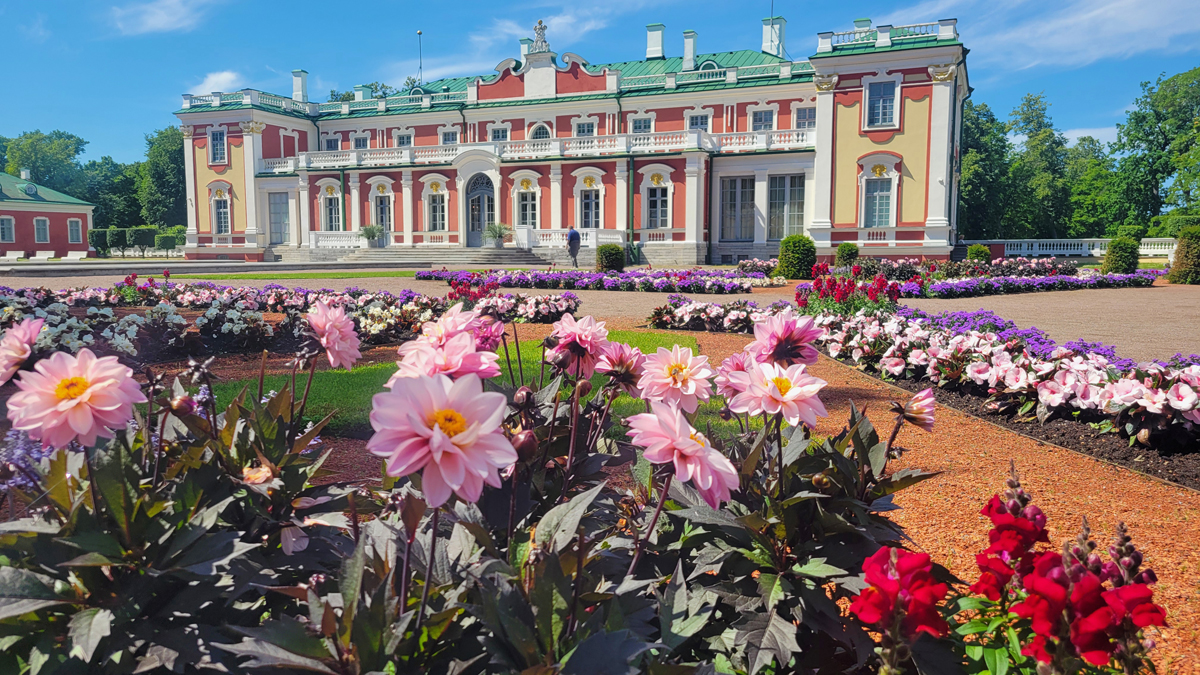
The Baltic capitals travel guide every curious traveler needs begins with three cities that feel like living storybooks. Vilnius, Riga, and Tallinn shimmer with medieval streets, candlelit cafes, hidden courtyards, and skyline views that seem painted by hand. Each capital carries its own rhythm, blending old-world charm with a fiercely creative modern spirit.
From smoky taverns serving rich local dishes to castle towers glowing at sunset, the Baltic capitals offer experiences that feel both affordable and unforgettable. These three northern European gems deserve a place on every traveler’s bucket list, especially for anyone craving culture, history, and atmospheric beauty without overwhelming tourist crowds.
NOTE: I did this 10-day Baltic capitals tour with my very favorite European boutique tour agency, JayWay Travel! You will love them – these are my 10th, 11th, and 12th countries visited with JayWay – I can’t give a higher recommendation than that!
Brief History
The Baltic nations have spent centuries at the crossroads of empires, trade routes, and competing cultures. Despite periods of conquest and occupation, Lithuania, Latvia, and Estonia each preserved their unique identities and ultimately reclaimed their independence. Their remarkable resilience is woven into every castle, cathedral, and cobbled street visitors explore today.
- Lithuania: Grand Duke Gediminas founded Vilnius in the early 14th century, establishing the city as the heart of the powerful Grand Duchy of Lithuania, one of Europe’s largest medieval states.
- Lithuania: In 1990, Lithuania became the first Soviet republic to declare the restoration of its independence, helping accelerate the collapse of the Soviet Union.
- Latvia: Riga was founded in 1201 by Bishop Albert and quickly grew into one of the Hanseatic League’s most important trading ports, bringing wealth and international influence to the region.
- Latvia: Latvia regained its independence in 1991 after nearly five decades of Soviet occupation, following the peaceful Singing Revolution that united the Baltic nations.
- Estonia: Medieval Tallinn flourished as a prosperous Hanseatic trading city, with its remarkably preserved Old Town becoming one of Europe’s finest surviving medieval urban centers.
- Estonia: Estonia restored its independence in 1991 after the peaceful Singing Revolution, later becoming a global leader in digital innovation and one of the world’s most technologically advanced societies.
Vilnius
Lithuania
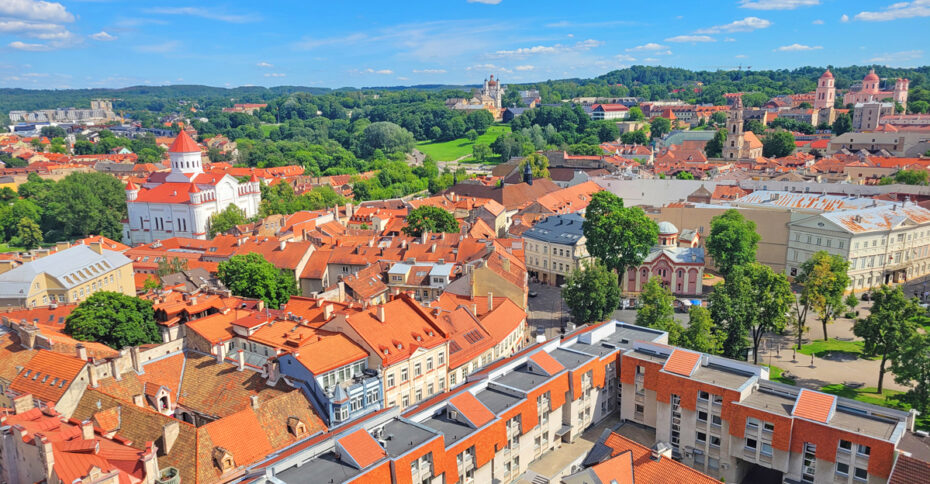
Vilnius feels like a city woven from legends and rebellion. Founded in the fourteenth century by Grand Duke Gediminas, Lithuania’s capital became one of Eastern Europe’s great cultural crossroads. Over centuries, Lithuanian rulers, Polish nobles, Jewish scholars, and Soviet occupiers all left their mark on the city’s identity.
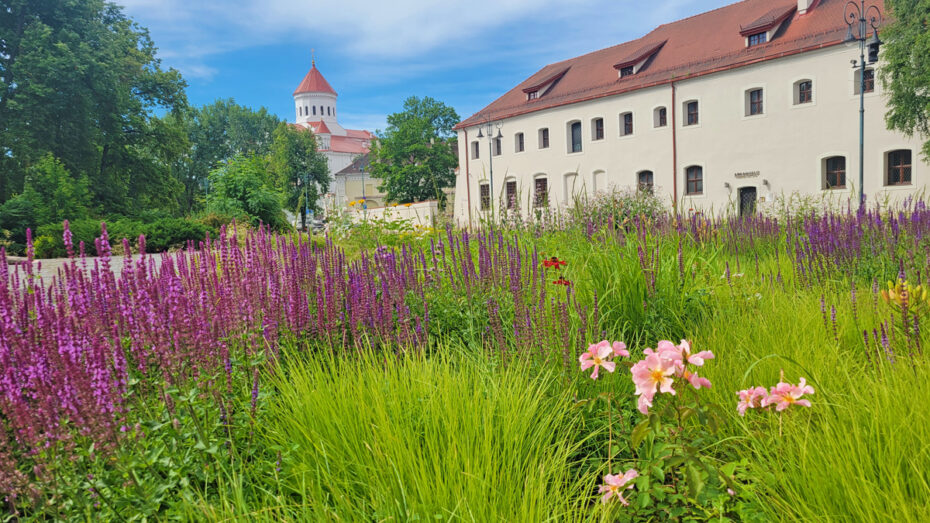
Walking through Vilnius today feels like peeling back layers of history one cobbled street at a time. The city survived wars, occupations, and political upheaval, yet it emerged vibrant, artistic, and proudly independent, carrying an energy that is both deeply reflective and wonderfully alive.
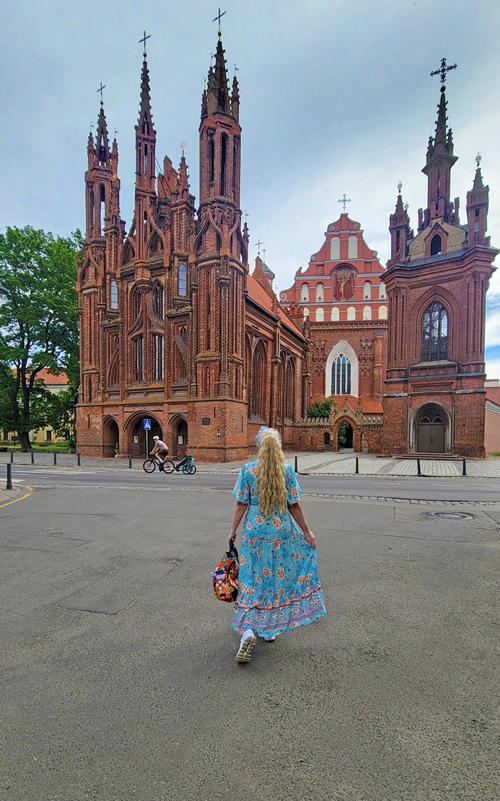
Vilnius dazzles visitors with a dreamy mix of Baroque splendor, Gothic churches, and pastel-colored facades that glow beneath changing Baltic skies. The UNESCO-listed Old Town feels intimate and romantic, filled with narrow alleyways leading to hidden courtyards and ornate bell towers. St. Anne’s Church rises like a crimson fairytale castle crafted from delicate lacework brick.
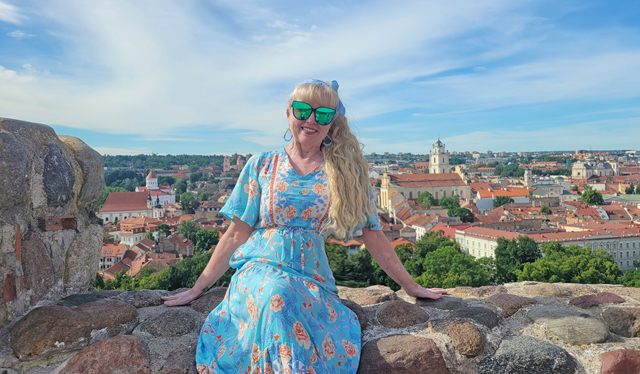
Beyond the historic center, the city reveals bold Soviet structures and sleek modern districts that create striking contrasts. From hilltop Gediminas Tower to elegant cathedral squares, Vilnius balances grandeur and charm with effortless grace.
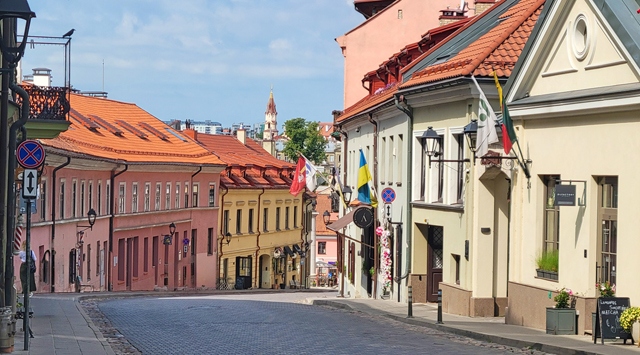
Vilnius thrives on creativity and youthful energy. Musicians spill from underground bars, art galleries occupy forgotten industrial spaces, and festivals bring the city alive with color and movement throughout the year. The bohemian district of Užupis feels especially magical, operating almost like its own whimsical republic filled with murals, poetry, and eccentric street art. Cafes buzz with conversation late into the evening while locals embrace a relaxed yet intellectual atmosphere. Vilnius warmly welcomes travelers who enjoy slow exploration, meaningful conversations, and artistic discovery.
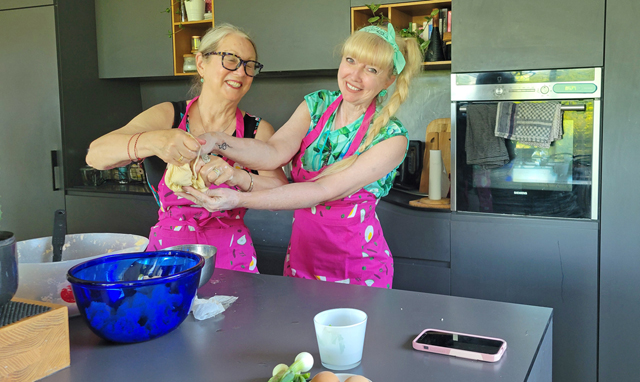
Lithuanian cuisine in Vilnius delivers rich comfort perfect for cool Baltic evenings. Cepelinai, giant potato dumplings stuffed with meat and covered in creamy sauce, are the city’s most famous dish and a must-try experience. Visitors should also sample dark rye bread, smoked cheeses, beetroot soup, and flaky pastries filled with mushrooms or berries. Cozy cellar restaurants glow with candlelight while hearty aromas drift through ancient stone walls. Pairing traditional dishes with local craft beer or herbal liqueur creates an unforgettable taste of Lithuanian hospitality that feels both rustic and deeply satisfying. Tip: a Lithuanian cooking class is a fun way to taste authentic local food.
Top things to do in Vilnius:
- Wander through the winding streets of the UNESCO-listed Old Town
- Watch the sunset from Gediminas Tower overlooking the city skyline
- Explore the artistic Republic of Užupis and its quirky creative scene
- Take a hot air balloon ride over Old Town
Click here to read: 18 Unforgettable Things to Do in Vilnius for a Charming Baltic Escape
Riga
Latvia
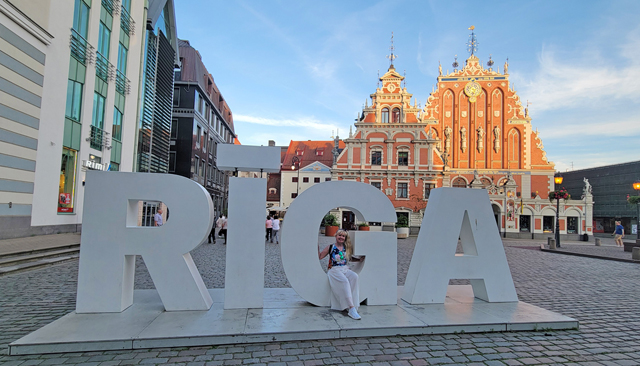
Riga’s history is dramatic, layered, and endlessly fascinating. Founded in 1201 as a major trading port of the Hanseatic League, the city quickly became one of the Baltic region’s economic powerhouses. Merchants, sailors, and craftsmen filled its bustling streets while grand guild halls rose beside the River Daugava. Through centuries of Swedish, Polish, Russian, and Soviet rule, Riga absorbed influences from every direction.
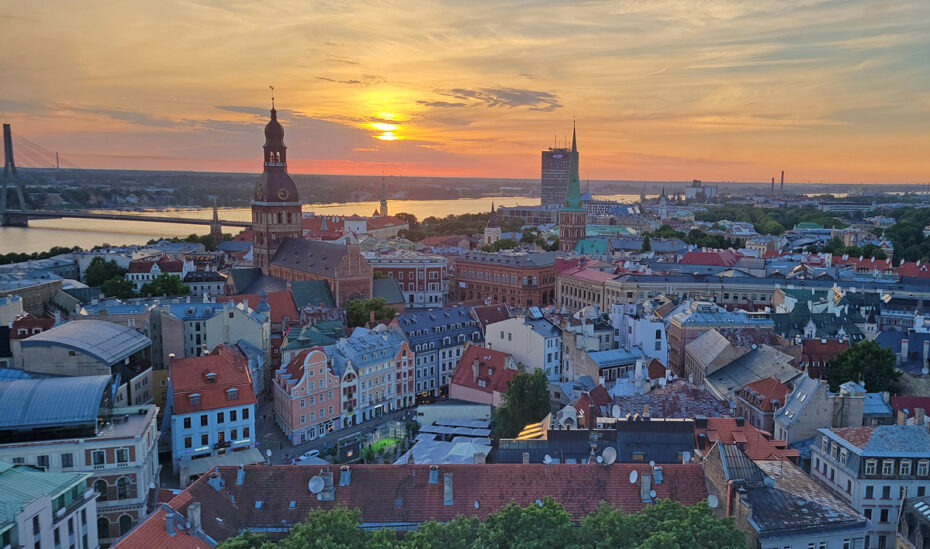
Today, traces of those eras remain visible in monuments, architecture, and museums. The city carries a resilient spirit shaped by hardship and independence, giving every cobbled square a profound sense of character.
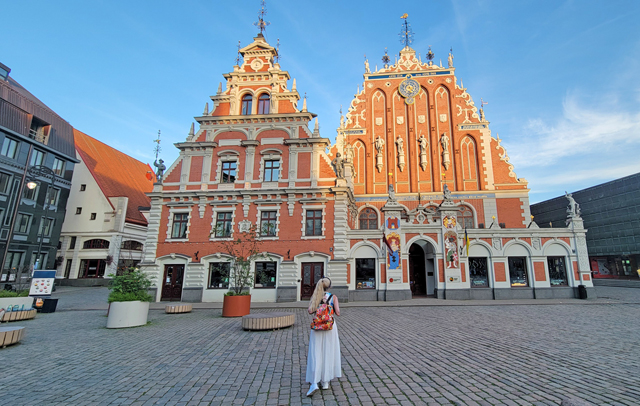
Riga is an architectural feast unlike anywhere else in Northern Europe. While the medieval Old Town charms visitors with church spires and hidden passageways, the city’s true visual masterpiece lies in its astonishing Art Nouveau district. Elaborate facades burst with sculpted faces, mythical creatures, swirling patterns, and decorative flourishes that make entire streets feel theatrical. Alberta Street especially resembles an open-air art gallery. Alongside these ornate buildings stand Gothic cathedrals, elegant wooden houses, and striking Soviet-era reminders. Every corner of Riga offers another surprising visual contrast wrapped in a rich Baltic atmosphere.
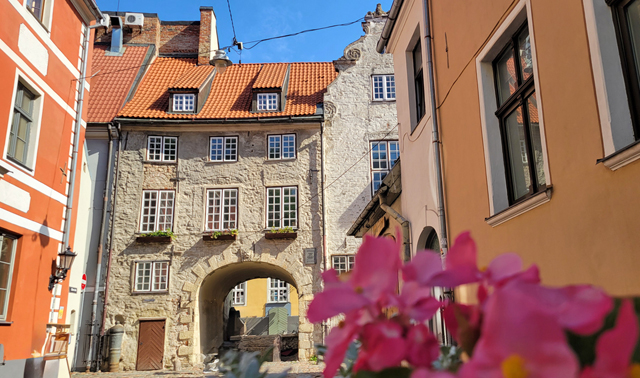
Riga pulses with cosmopolitan energy balanced by deeply rooted Latvian traditions. Stylish cocktail bars, underground music venues, and lively markets create a city that feels youthful and exciting, while folk songs and seasonal festivals preserve ancient customs.
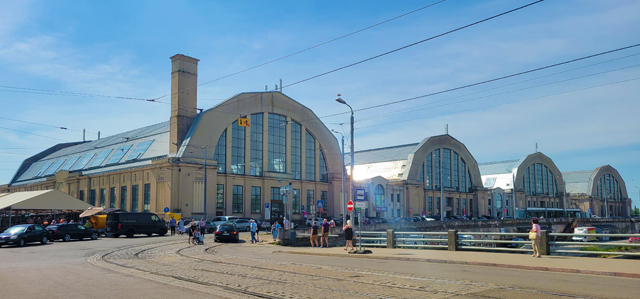
The Central Market, housed inside enormous former Zeppelin hangars, captures the city’s spirit perfectly with its vibrant mix of flavors, conversations, and local life. Museums and performance halls celebrate Latvia’s artistic heritage, while riverside promenades invite long evening walks. Riga is the perfect destination for travelers who love sophistication mixed with authenticity, and one of the most popular activities in the Baltic capitals.
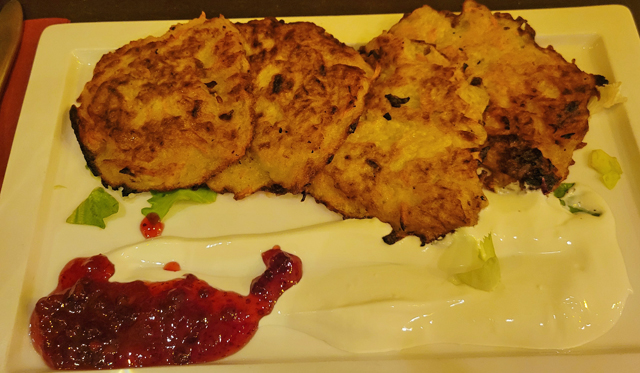
Riga’s food scene blends comforting Baltic flavors with surprising creativity. Grey peas with bacon remain a beloved Latvian classic, delivering smoky richness that pairs beautifully with local beer. Visitors should also try rye bread layered with butter and smoked fish, and potato pancakes (kartupeļu pankūkas), golden and crispy on the outside with a soft, comforting center. For dessert, honey cakes and dark chocolate treats satisfy every sweet craving. Restaurants range from elegant dining rooms beneath crystal chandeliers to rustic taverns lit by lanterns. Every meal in Riga feels hearty, flavorful, and closely connected to Latvia’s agricultural traditions.
Top things to do in Riga:
- Explore Riga Central Market for authentic local flavors and culture
- Climb St. Peter’s Church tower for panoramic city views
- Take a boat tour along the Daugava River
- Wander around the Art Nouveau District
Click here to read: Best Things to Do in Riga: 10 Incredible Places You Can’t Miss!
Tallinn
Estonia
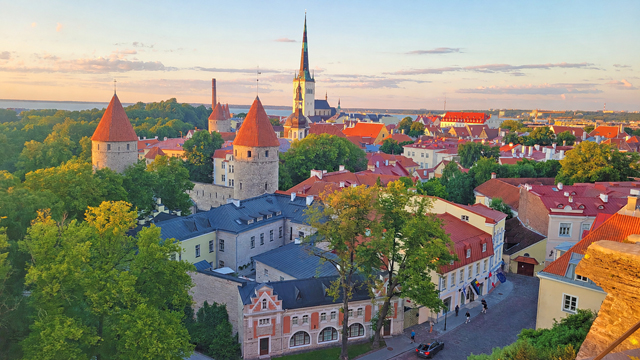
Tallinn feels like a perfectly preserved medieval fantasy brought vividly into modern life. Established as an important trading center during the medieval Hanseatic era, Estonia’s capital flourished behind thick stone walls overlooking the Baltic Sea. Merchants from across Europe filled the city with wealth, creating magnificent guild halls and merchant houses that still stand today.
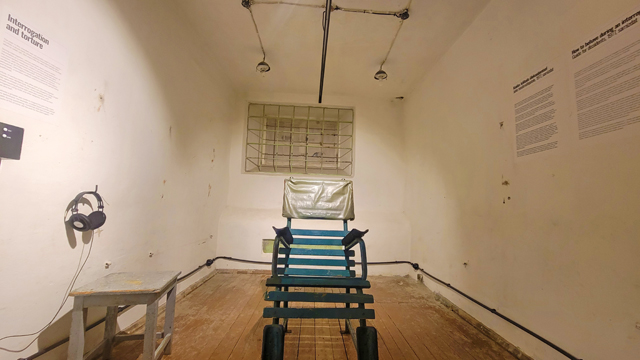
Tallinn later endured Danish, Swedish, Russian, and particularly brutal Soviet control before Estonia regained independence in 1991. Despite centuries of foreign influence, the city maintained a fiercely proud identity. Today, Tallinn blends historical depth with cutting-edge innovation in a remarkably seamless fashion.
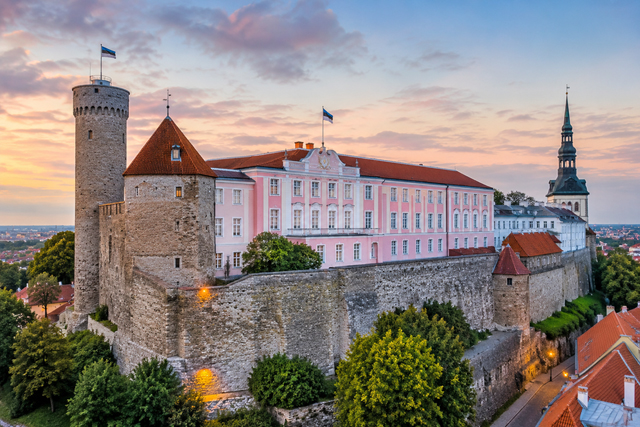
Tallinn’s architecture is breathtakingly cinematic. The Old Town remains one of Europe’s best-preserved medieval centers, complete with defensive towers, steep cobbled lanes, and Gothic church spires piercing the northern sky. Toompea Castle rises dramatically above the city while colorful merchant houses line ancient streets below.
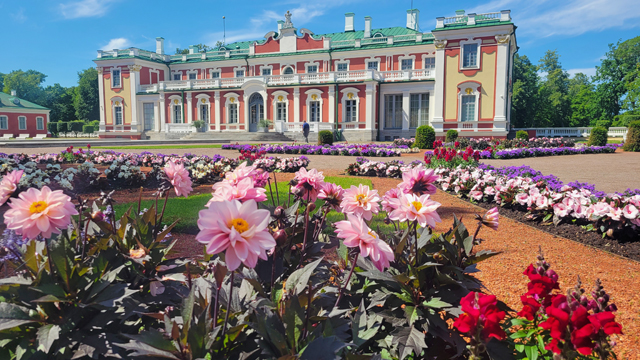
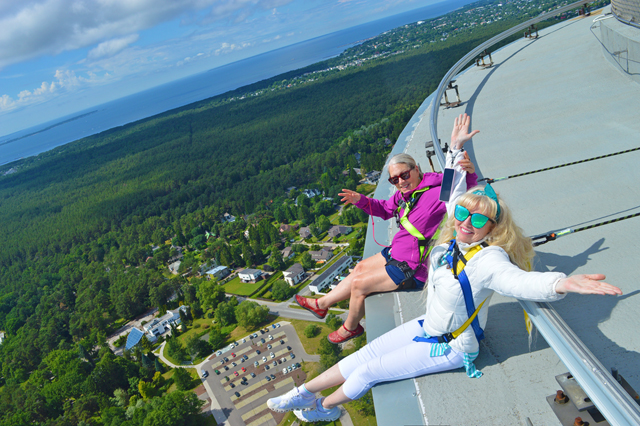
One moment, you can wander through the elegant Baroque splendor of Kadriorg Palace & Gardens, surrounded by manicured flowerbeds, graceful fountains, and centuries of royal history. A short drive away, the adrenaline rush of the Walk on the Edge at the Tallinn TV Tower offers a completely different perspective, where you step onto an open-air ledge nearly 600 feet above the ground with nothing but breathtaking views stretching across the Baltic coastline. Few European capitals blend timeless elegance and modern adventure as effortlessly as Tallinn.
Tallinn’s culture combines Nordic coolness with warm Baltic hospitality. The city embraces technology and innovation while remaining deeply connected to folklore, music, and craftsmanship. Independent boutiques, modern galleries, and stylish cafes fill neighborhoods like Telliskivi Creative City, where industrial buildings have transformed into artistic gathering spaces.
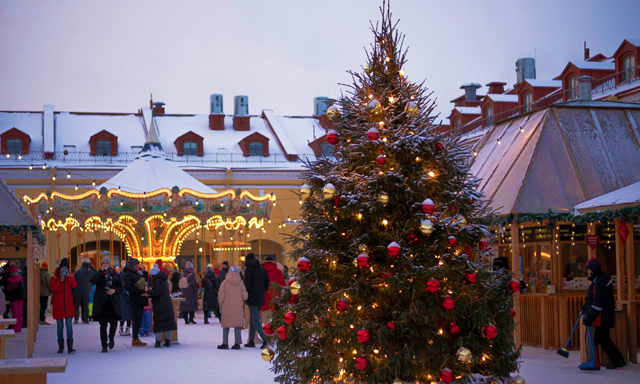
During winter, Tallinn glows with candlelight and festive markets, while summer brings outdoor concerts and seaside energy. Locals value design, sustainability, and creativity, giving the city a polished yet approachable atmosphere. Tallinn is an ideal destination for travelers seeking both medieval beauty and modern sophistication.
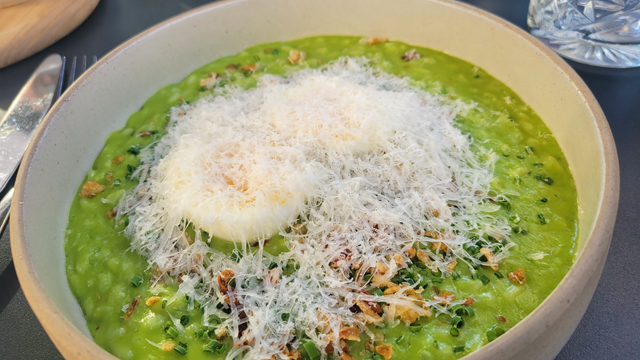
Tallinn’s culinary scene celebrates fresh ingredients from forests, farms, and the Baltic Sea, and in my opinion, has the best food of the Baltic capitals. Traditional Estonian dishes often feature smoked fish, roasted meats, wild berries, black bread, and earthy mushrooms gathered from nearby woodlands. Two delicious dishes to try are hernerisoto, a pea risotto, a savory local favorite using pearl barley and topped with duck egg, mild cheese, and crispy bacon bits, and verivorst, a richly spiced blood sausage typically served with lingonberry jam and potatoes. Visitors should also sample creamy fish soups and honey-infused desserts inside atmospheric medieval taverns. Modern chefs across Tallinn reinterpret traditional recipes with elegant presentation and seasonal ingredients, creating meals that feel deeply rooted in Estonian heritage while remaining excitingly contemporary.
Top things to do in Tallinn:
- Walk the medieval walls and towers surrounding the Old Town
- Enjoy sweeping views from Toompea Hill and Kohtuotsa Viewing Platform
- Go on a hike in Lahemaa National Park
- Visit beautiful Kadriorg Palace and Gardens
- Do the “Walk on the Edge” of the Tallinn TV Tower
Click here to read: 12 Things to Do in Tallinn That Feel Straight Out of a Fairytale
What to Eat
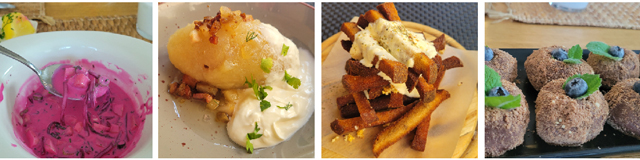
- Cepelinai: Large potato dumplings shaped like zeppelin airships, stuffed with minced meat or cottage cheese, and drizzled with bacon fat and sour cream.
- Pelmeni – Small meat-filled dumplings boiled or fried and served with a heavy dollop of sour cream.
- Pea risotto – a vibrant, creamy Italian rice dish made by slowly cooking Arborio rice with stock, fresh or frozen sweet peas, and Parmesan cheese.
- Verivorst – Traditional blood sausages often eaten during winter and Christmas, paired with lingonberry jam.
- Kibinai – Crescent-shaped pastries filled with spiced mutton or chicken, originating from the Karaite community in Trakai.
- Šaltibarščiai – a striking, vibrant cold pink beetroot soup made with kefir, cucumbers, dill, and hard-boiled eggs.
- Kepta duona – Deep-fried dark rye bread rubbed heavily with garlic and often served with a warm cheese dip.
- Mulgipuder – a hearty porridge made from groats, potatoes, and pork.
- Bulvytė – a no-bake chocolate and biscuit dessert shaped to resemble a small potato.
- Black Balsam – a potent, dark herbal liqueur crafted with numerous natural ingredients.
Conclusion
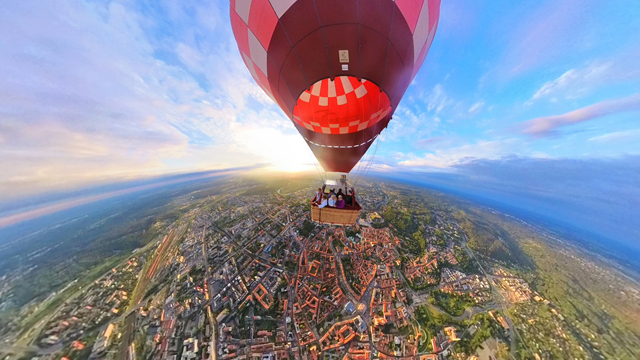
The Baltic capitals leave travelers with the rare feeling of having discovered something genuinely special before the rest of the world fully catches on. Whether you are wandering quiet alleyways at dawn, lingering over long fireside dinners, or listening to church bells echo across ancient squares, these three capitals create memories that linger long after the journey ends.
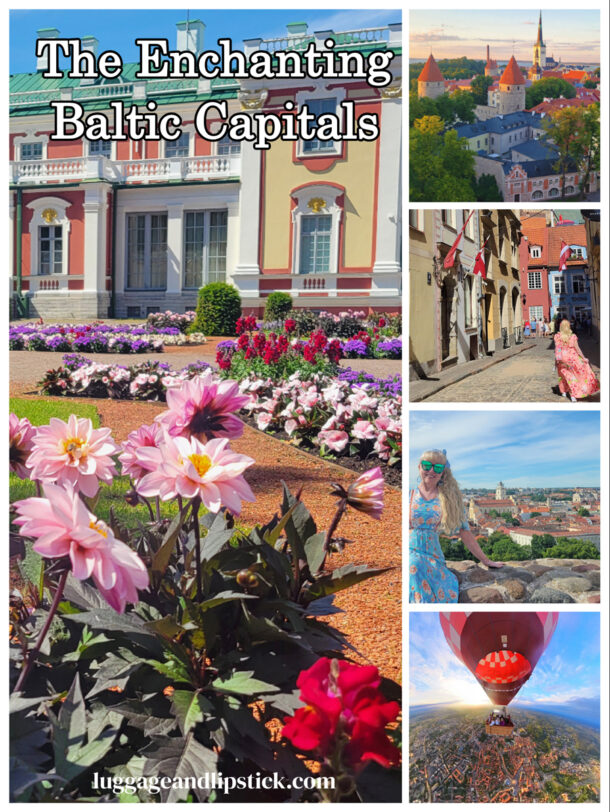
Click below to PIN so you can find what to do in the Baltic capitals again:
This article may contain affiliate/compensated links. For full information, please see our disclaimer.
Disclosure: The author was honored to be the guest of JayWay Travel during her stay in the Baltics, but as always, the opinions, reviews, and experiences are her own.
About the Author
Patti Morrow is a travel influencer and founder of the award-winning international blog Luggage and Lipstick. TripAdvisor called her one of the “20 Baby Boomer Travel Bloggers Having More Fun Than Millennials,” and she was named one of the “Top 35 Travel Blogs” in the world.
She is also the star of the upcoming TV series “Destination Takeover,” which is scheduled to premiere in the near future.
Patti is the author of the book “Girls Go Solo: Tips for Women Traveling Alone,” and has over 150 bylines in 40 print and online publications, including The Huffington Post, International Living Magazine, Washington Post Sunday Travel, Travel Girl, Travel Play Live Magazine, and Ladies Home Journal. Her blog articles are consistently featured on Google’s AI search, as well as appearing on page one of Google search for specific keywords.
She has traveled extensively through six continents and more than 100 countries and island territories – putting her in an elite club of having traveled more than 99.99% of people! She is always looking for fabulous destinations, exotic beaches, and adventure activities for her Baby Boomer tribe.

Leave a reply