
Iceland is a place of astonishing contrasts, where boiling water erupts from the earth, waterfalls plunge through rugged rock, and volcanic craters cradle brilliant blue lakes. Beyond Reykjavik’s colorful streets lies a landscape shaped by fire, ice, and the restless Atlantic Ocean. The best places to visit near Reykjavik reveal an incredible variety of scenery, from steaming geothermal valleys to black-pebble beaches scattered with shipwreck remains. Along the way, you’ll discover Viking history, soak in seaside hot springs, and stand between shifting continents. Whether you’re chasing waterfalls or exploring volcanic formations, the landscapes surrounding Iceland’s capital deliver adventure at every turn.
Forget ordinary sightseeing. Imagine watching a geyser explode into the sky, photographing a mountain reflected beside a cascading waterfall, or stepping into naturally heated pools overlooking a rugged fjord. These destinations offer experiences that are as varied as Iceland itself, with geological wonders, fascinating history, and landscapes that change dramatically with the weather. Some are easy day trips, while others reward a longer journey into the countryside. Together, they reveal why Iceland’s extraordinary scenery begins well beyond the capital.
12 Geysir
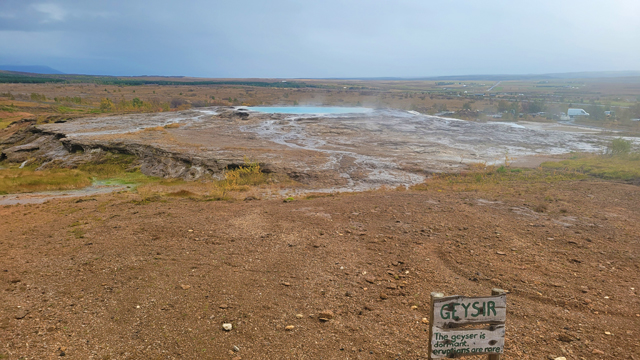
Located on the Golden Circle, the Haukadalur geothermal valley looks as though the earth has sprung a leak. Steam curls from vents, muddy pools bubble ominously, and mineral-stained ground reveals the heat simmering beneath the surface. The original Great Geysir gave the world the word geyser, and its eruptions were documented centuries ago. Although it is now largely dormant, nearby Strokkur keeps the spectacle alive, launching boiling water into the air every few minutes. The anticipation builds as the water swells into a shimmering blue dome before bursting skyward, sending spectators scrambling to capture the moment.
The surrounding geothermal field offers plenty to explore between eruptions. Sulfurous steam drifts across the landscape, and vivid mineral deposits paint the ground in shades of orange, yellow, and white. Strokkur’s eruptions can reach around 100 feet, creating an astonishing contrast against the open sky. The experience is a reminder that Iceland sits atop an active volcanic region, where heat from within the earth continually transforms the landscape. Geysir is also a highlight of the Golden Circle, making it an easy addition to a day trip from Reykjavik.
11 Reykjavik Harbor
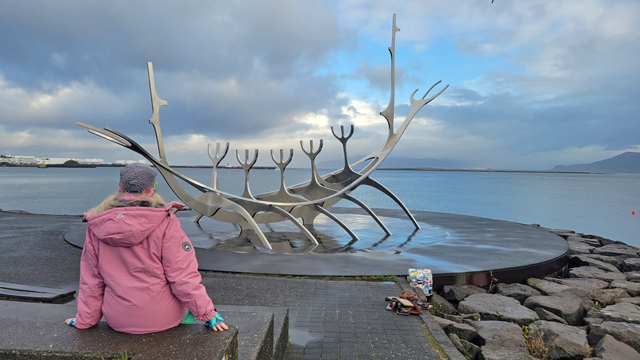
Reykjavik Harbor is where Iceland’s maritime past meets the creative energy of its capital. Fishing boats bob beside working piers, excursion vessels head toward the open sea, and colorful buildings brighten the waterfront. Fishing helped shape Reykjavik’s growth, and the harbor remains an important part of Iceland’s economy and identity. Nearby, the striking Harpa concert hall catches the changing light through its geometric glass facade, creating a dazzling contrast with the blue water and rugged mountains across the bay. The waterfront offers a different perspective on the capital, with seafaring traditions and contemporary architecture sharing the same stretch of coastline.
Walk along the piers, and you’ll find plenty of reasons to linger. Whale-watching boats depart in search of minke whales, humpbacks, and other marine wildlife, while seasonal excursions offer opportunities to see puffins. Mount Esja rises across the water, its slopes changing color with the shifting clouds. On clear evenings, the harbor becomes especially atmospheric as the light softens over the bay and reflections ripple beneath the boats. Cafes and restaurants nearby make it easy to pause for a meal before continuing along the waterfront, where Reykjavik’s connection to the North Atlantic is impossible to miss.
10 Kerid Crater
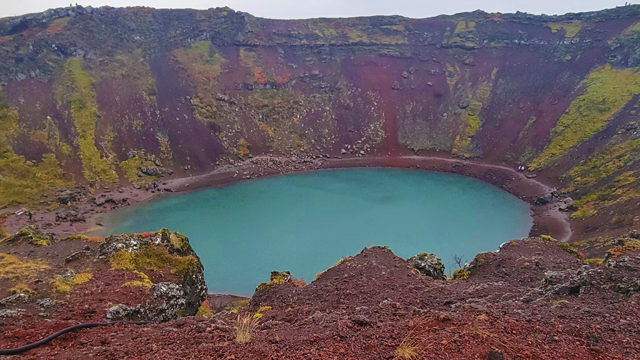
Kerid Crater looks like a giant natural amphitheater carved into the Icelandic countryside. Formed around 6,500 years ago, this volcanic depression has steep slopes of red and rust-colored rock surrounding a lake whose water shifts between blue and green. The crater is thought to have formed when a volcanic cone erupted and subsequently collapsed as its magma chamber emptied. Its exposed walls reveal layers of volcanic material, while patches of vegetation soften the rugged edges. The vivid contrast between the water, reddish earth, and surrounding green landscape makes Kerid one of the most visually striking geological formations in southwest Iceland.
A walking path follows the crater rim, offering constantly changing views into the bowl below. From above, the lake looks almost unreal, especially when sunlight illuminates the water against the darker volcanic rock. A trail also descends toward the lakeshore, where the steep walls rise around you and the crater’s scale becomes more apparent. Unlike Iceland’s towering waterfalls or vast lava fields, Kerid is compact enough to explore without a lengthy hike. Yet its unusual colors and clearly defined shape make it an excellent stop on the Golden Circle, particularly for travelers fascinated by volcanic landscapes.
9 Gatklettur
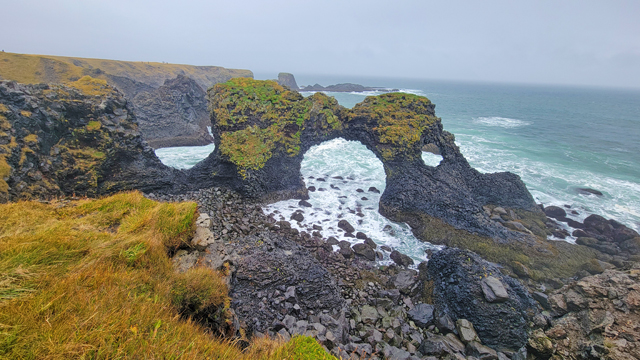
Near the coastal village of Arnarstapi on the Snaefellsnes Peninsula, Gatklettur is a remarkable natural arch carved into the rocky shoreline. Waves from the North Atlantic have gradually worn through the volcanic rock, leaving a broad opening beneath a curved stone bridge. Dark cliffs rise above the water, seabirds circle overhead, and waves explode into white foam against the coast. The formation looks almost sculpted, yet its shape is the result of countless encounters between stone and sea. Gatklettur is one of several dramatic coastal features in the area, where volcanic geology and relentless ocean erosion have created an extraordinary landscape.
Follow the coastal walking path for different views of the arch, the surrounding cliffs, and the crashing surf below. On windy days, waves send spray into the air, while calmer weather reveals the graceful outline of the rock against the ocean. The nearby trail connects several viewpoints and unusual formations, making it worthwhile to explore beyond a single photograph. Keep your distance from cliff edges, especially when the ground is wet or the wind is strong. Gatklettur is a reminder that Iceland’s scenery is never static: the Atlantic continues to reshape this rugged coastline, one wave at a time.
8 Bridge Between Continents
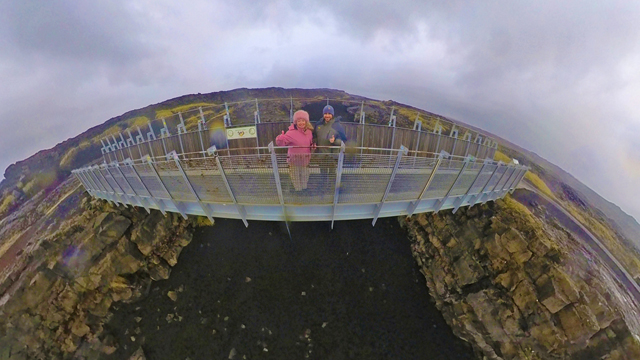
Where else can you stroll between two continents in just a few steps? On Iceland’s Reykjanes Peninsula, the Bridge Between Continents spans a dramatic fissure marking the boundary between the North American and Eurasian tectonic plates. Beneath your feet, the Earth’s crust is slowly pulling apart as the plates move away from each other, driven by forces deep within the planet. The surrounding landscape looks almost extraterrestrial, with dark volcanic rock, sparse vegetation, and rugged terrain shaped by repeated eruptions. This small pedestrian bridge offers a fascinating, tangible encounter with the geological forces that make Iceland such an extraordinary destination.
Cross the bridge from one continental plate to the other, then pause to peer into the rocky fissure below. Although the bridge is symbolic rather than a precise measurement of the plate boundary, it provides an accessible way to appreciate Iceland’s position along the Mid-Atlantic Ridge. The plates separate by roughly an inch each year on average, with movement occurring unevenly through gradual shifts and occasional earthquakes. The surrounding Reykjanes Peninsula is dotted with lava fields and geothermal features, offering further evidence of the powerful forces beneath the surface. It’s a simple stop with a remarkable geological story.
7 Reykjavik Downtown
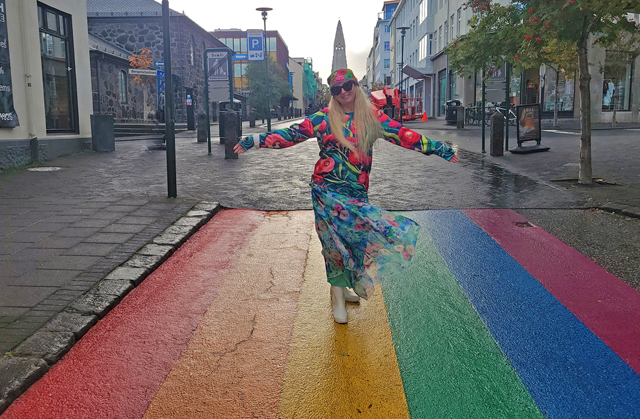
Reykjavik’s downtown bursts with color, from brightly painted buildings and rainbow-striped streets to quirky murals and eye-catching shopfronts. The cheerful mix of hues gives Iceland’s capital a playful personality, even beneath its often moody skies. Cozy cafes, independent boutiques, and inviting restaurants bring life to the streets, while colorful houses brighten the surrounding neighborhoods. Towering above the city center, the famous Hallgrimskirkja church stands out with its distinctive concrete facade, inspired by Iceland’s dramatic basalt formations. Its unusual design gives the skyline a striking silhouette, visible from many parts of the city and especially impressive against a dramatic Icelandic sky.
Ride the elevator to the church’s observation level for panoramic views across the colorful rooftops, the harbor, and distant mountains. Back on the streets, Laugavegur offers a lively mix of shops, local design, street art, and restaurants, while nearby lanes reveal quieter corners and charming painted houses. Reykjavik is compact enough to explore on foot, with cultural attractions and the waterfront within easy reach. Its appeal lies in the details: bright facades against gray skies, creative public art beside traditional buildings, and the constant presence of the surrounding landscape. Even a simple stroll becomes a colorful introduction to Icelandic city life.
6 Buarfoss
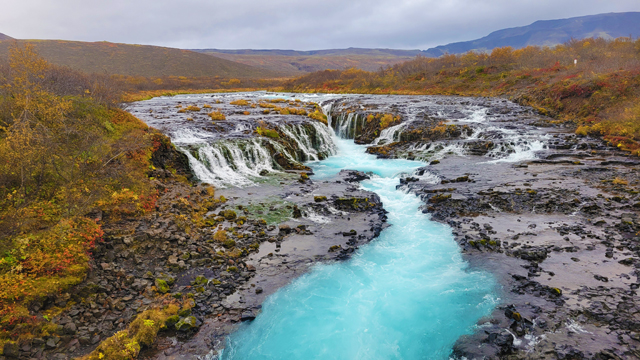
Part of the Golden Circle, Bruarfoss, often celebrated for its brilliant blue water, is one of southwest Iceland’s most captivating waterfalls. Rather than plunging in a single dramatic drop, the river divides into countless small cascades that tumble through a narrow channel of dark volcanic rock. White foam swirls across the rushing water, creating intricate patterns of blue and silver. The waterfall’s name means Bridge Falls, a reference to a historic crossing associated with the area. Its unusual shape and vivid color make it stand apart from Iceland’s larger, more thunderous waterfalls, offering a different kind of spectacle in a landscape already famous for dramatic water.
The approach reveals smaller cascades and glimpses of the river winding through the surrounding countryside. Once you reach the main viewpoint, the water’s color becomes the star of the show, particularly when daylight illuminates the channel. Its appearance changes with the weather and season, ranging from luminous blue to deeper, darker shades. The rocky banks and rushing current create an almost abstract pattern, making Bruarfoss especially rewarding for photography. Take care on wet or muddy sections of the trail, and allow time to enjoy the smaller waterfalls along the way. This is a place where the details are just as impressive as the overall view.
5
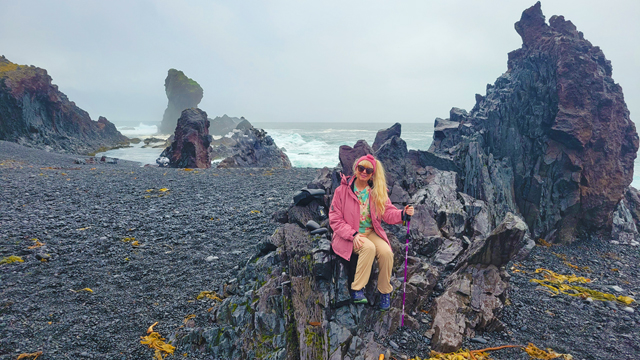
On the Snaefellsnes Peninsula, it presents a striking scene of black volcanic pebbles, rugged lava formations, and waves rolling in from the North Atlantic. The shoreline was shaped by volcanic activity and relentless ocean erosion, creating a landscape that feels dramatically different from a conventional sandy beach. Scattered across the coast are rusted fragments from a British trawler that was wrecked here in 1948, a sobering reminder of the sea’s dangers. Nearby, four historic lifting stones were once used to test the strength of fishermen seeking work aboard local fishing boats, connecting this windswept place to Iceland’s demanding maritime past.
Follow the path down toward the shore, and you’ll encounter smooth black stones, unusual rock formations, and pools of seawater trapped between the rocks. The lifting stones offer a glimpse into the physical challenges faced by fishing communities, while the shipwreck remains lend the beach a haunting historical dimension. Offshore, waves can crash with tremendous force, making swimming dangerous and requiring visitors to stay well back from the water. On clear days, the dark shoreline contrasts beautifully with the sky and distant volcanic landscapes. Djupalonssandur is a place to explore carefully, photograph the rugged scenery, and appreciate the power of the Atlantic.
4 Kirkjufell
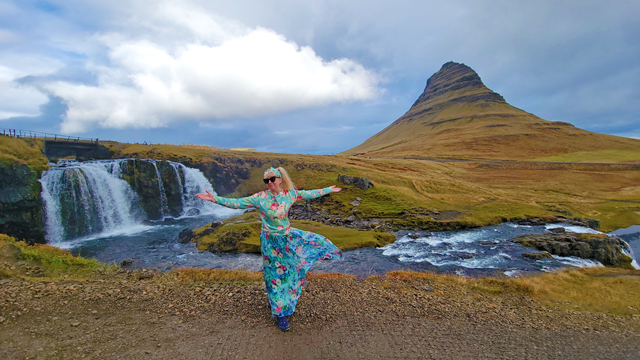
Kirkjufell rises above the northern coast of the Snaefellsnes Peninsula with an unmistakable pointed silhouette. Its name means Church Mountain, and its steep, layered slopes were shaped by glacial erosion over successive ice ages. Reaching approximately 1,519 feet, the mountain stands apart from the surrounding landscape, creating a dramatic landmark beside the fishing town of Grundarfjordur. Its geological layers reveal a complex history of volcanic activity and ancient glaciers, while its unusual shape has made it one of Iceland’s most recognizable natural features. Nearby Kirkjufellsfoss waterfall completes the scene, with cascading water in the foreground and the mountain rising beyond.
The waterfall viewpoints provide different compositions throughout the day, whether sunlight illuminates the slopes or low clouds gather around the summit. In winter, snow emphasizes the mountain’s ridges, while long summer evenings bathe the landscape in soft golden light. Kirkjufell gained international attention through its appearance in Game of Thrones, but its distinctive profile needs no screen to command attention. Walking between the designated viewpoints reveals changing angles of the falls, the mountain, and the surrounding countryside. The paths can be slippery in wet weather, so sturdy footwear is useful. Few places combine mountain, waterfall, and coastal scenery so effortlessly.
Note: Filming location for Game of Thrones and The Secret Life of Walter Mitty.
3 Hvammsvik Hot Springs
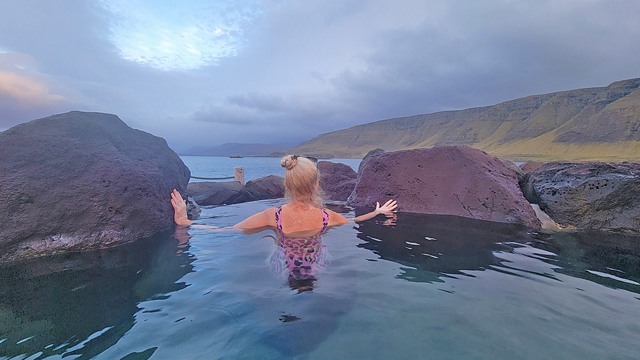
Hvammsvik Hot Springs lies beside Hvalfjörður, a spectacular fjord north of Reykjavik where steep mountains descend toward the North Atlantic. Here, geothermal warmth meets the cold coastal environment, with pools built into the shoreline to create a bathing experience closely connected to the sea. The water temperatures vary between pools, while the changing tides influence the relationship between the pools and the surrounding ocean. Hvalfjordur also has an important wartime history: during World War II, the fjord served as a major Allied naval anchorage. Today, the setting feels peaceful, with rugged mountains, open water, and a sense of distance from the capital’s busy streets.
Move between the pools and enjoy changing views across the fjord, where the light shifts over the mountains and water throughout the day. On cooler days, steam rises above the warm pools, creating a striking contrast with the crisp sea air. The experience is less about elaborate surroundings and more about the connection between geothermal water and Iceland’s coastal landscape. After soaking, pause beside the shoreline and watch the tides move through the fjord. Hvammsvik offers a relaxing counterpoint to days spent exploring waterfalls and volcanic formations, combining natural warmth, dramatic scenery, and a quieter side of Iceland.
2 Thingvellir National Park
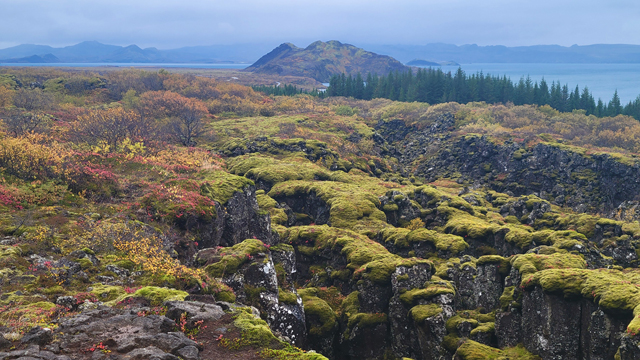
Thingvellir National Park is where Iceland’s geological drama meets the country’s early history. The Althing, Iceland’s national assembly, was established here around 930, making Thingvellir one of the world’s most important historic parliamentary sites. The area became a national park in 1930 and was designated a UNESCO World Heritage Site in 2004. Its dramatic cliffs and fissures also reveal the movement of the North American and Eurasian tectonic plates, which are gradually pulling apart across Iceland. Walking through the Almannagja gorge, visitors pass between towering rock walls created by tectonic forces, surrounded by lava fields, moss-covered stones, and sweeping views.
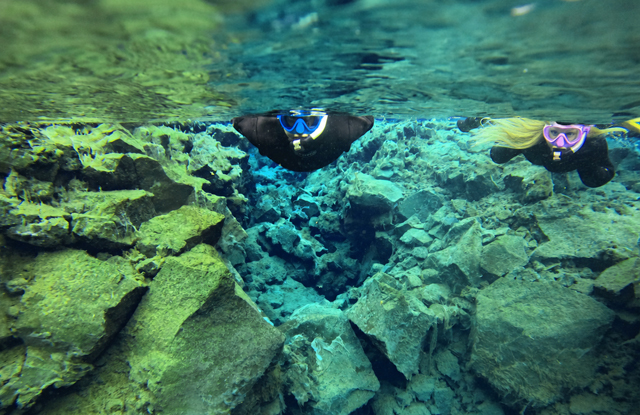
Nearby, the Silfra fissure is famous for exceptionally clear water, where snorkelers and divers can explore a submerged crack between the continental plates. The visibility can be extraordinary, revealing underwater rock formations in shades of blue and green. Above the surface, Thingvallavatn, Iceland’s largest natural lake, adds another layer of beauty to the surrounding landscape. The park’s appeal extends beyond geology: it is a place where the nation’s political traditions took root amid an extraordinary natural setting. Whether walking through the gorge, admiring the lake, or exploring the history of the Althing, Thingvellir offers a remarkable combination of natural forces and human heritage, earning its place as one of the best places to visit near Reykjavik.
Note: Game of Thrones filming location – The Bloody Gate/Path to the Eyrie and the Hound vs. Brienne of Tarth.
1 Blue Lagoon
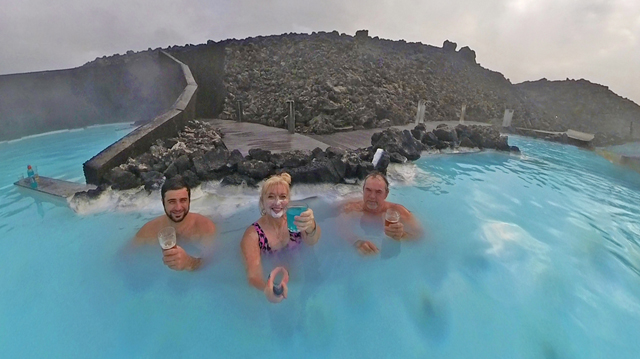
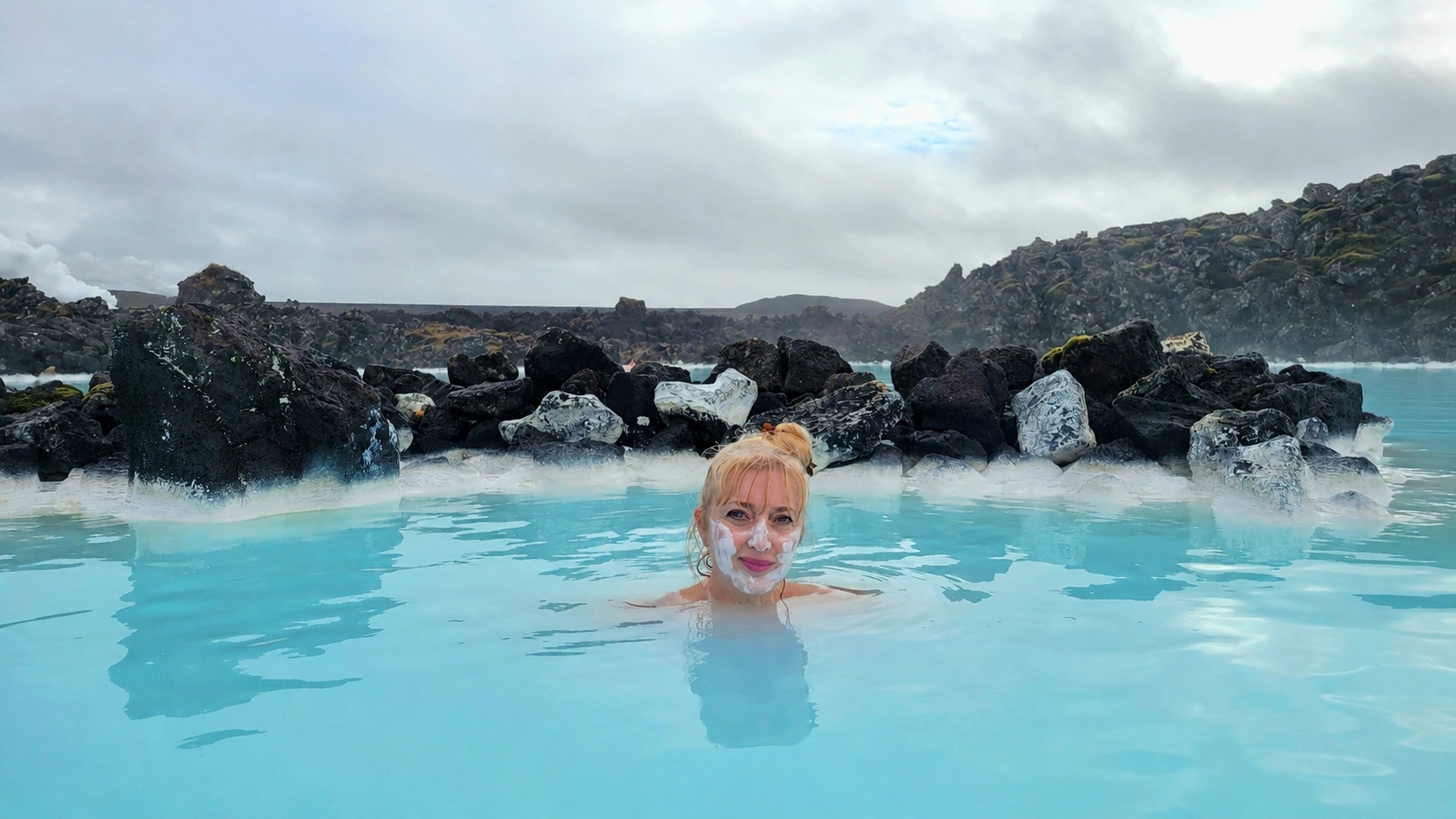
Imagine sinking into milky blue water surrounded by jagged black lava fields, with clouds of steam swirling around you in Iceland’s chilly air. The Blue Lagoon is one of the country’s most distinctive geothermal experiences, its surreal colors creating an almost dreamlike contrast against the rugged volcanic landscape. The lagoon developed in connection with the Svartsengi geothermal power plant and opened as a bathing attraction in 1992. Its striking blue-white color comes from silica suspended in the water, while the mineral-rich mixture and naturally heated temperatures make soaking here a uniquely Icelandic experience.
Wander through the warm water as steam drifts across the surface, spread creamy silica mud over your face, and admire the strange beauty of the surrounding lava formations. The lagoon’s vivid color changes with the light, sometimes appearing pale blue and other times almost luminous against the dark volcanic rock. Even on a cold, windy day, the contrast between the warm water and Iceland’s raw landscape makes the experience feel extraordinary. Located on the Reykjanes Peninsula between Reykjavik and Keflavik International Airport, the Blue Lagoon is an appealing stop before or after a flight. Check local volcanic activity advisories before visiting, as access can occasionally be affected.
Conclusion
From rainbow-colored Reykjavik to black-pebble beaches, brilliant blue waterfalls, and geothermal pools beside the sea, the best places to visit near Reykjavik showcase Iceland’s astonishing diversity. Add erupting geysers, ancient parliamentary history, and mountains sculpted by glaciers, and the journey becomes much more than a collection of sightseeing stops. Beyond the capital, Iceland reveals a landscape full of surprises, where every road leads toward another geological wonder.
Click below to PIN so you can find the best places to visit near Reykjavik again:
This article may contain affiliate/compensated links. For full information, please see our disclaimer.
About the Author
Patti Morrow is a travel influencer and founder of the award-winning international blog Luggage and Lipstick. TripAdvisor called her one of the “20 Baby Boomer Travel Bloggers Having More Fun Than Millennials,” and she was named one of the “7 Best Travel Bloggers for Women Over 50.”
She starred in the pilot of the upcoming TV series “Destination Takeover,” which is scheduled to premiere in the near future.
Patti is the author of the book “Girls Go Solo: Tips for Women Traveling Alone,” and has over 150 bylines in 40 print and online publications, including The Huffington Post, International Living Magazine, Washington Post Sunday Travel, Travel Girl, Travel Play Live Magazine, and Ladies Home Journal. Her blog articles are consistently featured on Google’s AI search, as well as appearing on page one of Google search for specific keywords.
She has traveled extensively through six continents and 117 countries and territories – putting her in an elite club of having traveled more than 99.99% of people! She is always looking for fabulous destinations, exotic beaches, and adventure activities for her Baby Boomer tribe.

Leave a reply