
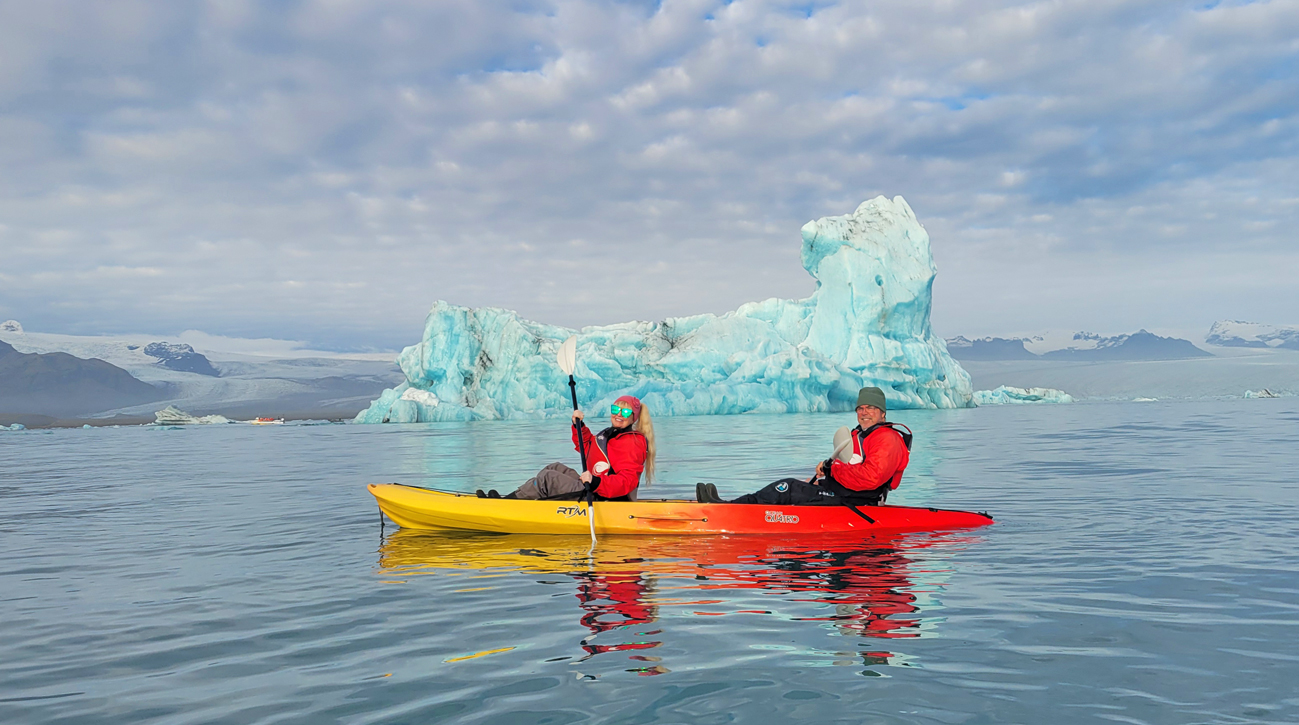
Imagine standing between two continents, plunging into a world of electric-blue water, or paddling past icebergs towering like frozen castles. The best adventures in Iceland deliver landscapes that feel almost surreal, where volcanoes have sculpted bizarre landscapes, waterfalls thunder into deep ravines, and waves crash against beaches of jet-black sand. This is a place where the earth refuses to sit still, and the scenery changes dramatically with every mile.
Shaped by volcanic eruptions and restless tectonic plates, this extraordinary island offers wild landscapes and exhilarating experiences at nearly every turn.
From navigating rugged Highland roads to hiking across ancient ice and soaking in naturally heated geothermal pools, Iceland invites you to experience nature up close. Venture behind thundering waterfalls, explore frozen caverns, and witness geological forces that continue to reshape the planet.
10 Bridge Between Continents
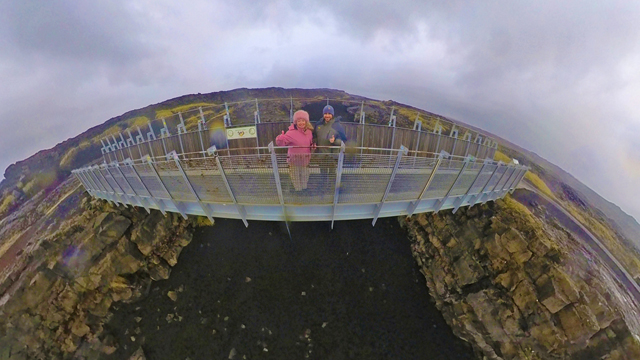
What if you could take a few steps from North America toward Europe without boarding a plane? On Iceland’s Reykjanes Peninsula, the Bridge Between Continents spans a fissure marking the boundary between the North American and Eurasian tectonic plates. Beneath your feet, the Atlantic Ocean’s geological foundations are slowly stretching apart, helping create the volcanic landscape that makes Iceland so distinctive. Black lava fields, jagged rocks, and seemingly barren ground surround this unusual landmark.
Opened in 2002, the footbridge turns an enormous geological process into a wonderfully tangible experience. Stand in the middle, peer into the rocky gap, and imagine the immense forces reshaping the earth beneath you. The plates drift apart by roughly an inch each year on average in this region, making this more than a scenic photo stop. You are standing above a boundary that is literally pulling the planet apart.
9 Explore a Plane Crash Site
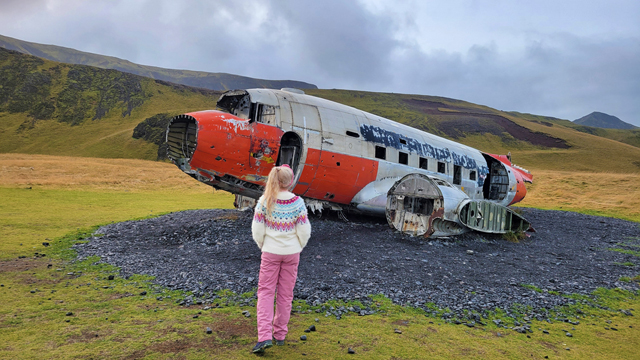
A weather-beaten aircraft resting against Iceland’s stark landscape makes for an eerie sight, especially when its metal fuselage contrasts with miles of black volcanic sand. The famous DC-3 wreck on Solheimasandur, along Iceland’s southern coast, has become one of the country’s most recognizable photographic subjects. The United States Navy aircraft crash-landed in November 1973, and everyone aboard survived. Its stripped-down remains now look almost extraterrestrial against the sweeping, dark plain.
Reaching the wreck traditionally involves a long walk across exposed terrain, where the wind can whip across the sand and the distant mountains seem deceptively close. Eyvindarholt and Solheimajokulsvegur are also names associated with your southern Iceland itinerary, but confirm the precise aircraft site and access arrangements before setting out. Do not confuse nearby glacier roads with the DC-3’s location. The landscape is beautiful, remote, and unforgiving, so prepare for rapidly changing weather and follow local access guidance.
8 Drive on the F Roads
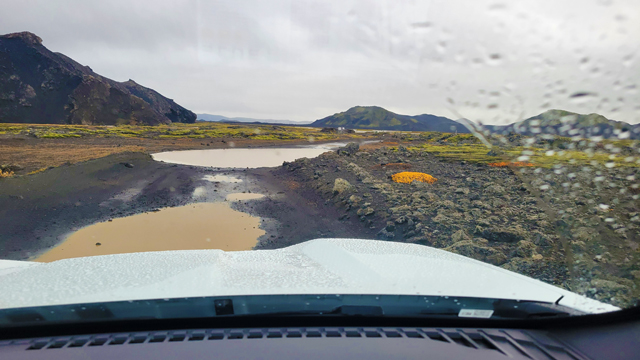
Forget smooth highways and predictable scenery. Iceland’s mountain F roads plunge into the rugged Highlands, where vast lava fields, rainbow-colored mountains, remote lakes, and thundering waterfalls make every bend feel like an expedition into another world. These rough tracks are generally open only seasonally, and conditions can change rapidly. A suitable four-wheel-drive vehicle is essential where required, while unbridged river crossings demand particular caution and experience.
Sites along the way: Haifoss crashes approximately 400 feet into a spectacular gorge, sending water plunging past towering rock walls. Blahylur, also known as Blue Lake, shines with deep blue water surrounded by stark volcanic terrain. Then there is Landmannalaugar, where mountains streaked with red, orange, yellow, and green rise above obsidian lava fields. The scenery looks almost painted, yet its extraordinary colors come from real geological processes.
Check road closures, weather, and river conditions before driving, and never attempt a crossing beyond your vehicle’s capabilities.
7 Hike to a Glacier
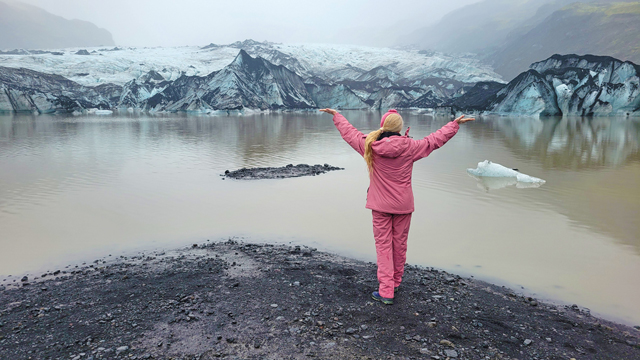
Few sights communicate the sheer scale of Iceland’s wilderness like a glacier spilling down between rugged mountains. At Skaftafell, within Vatnajokull National Park, hiking trails lead through landscapes where green moss, black volcanic rock, and enormous tongues of ice collide in dramatic contrast. The ice may appear still from a distance, but glaciers are constantly moving, grinding rock beneath their weight and carving valleys over time.
Solheimajokull, an outlet glacier flowing from the larger Myrdalsjokull ice cap, presents an especially striking face of crevasses, ridges, and dark volcanic ash embedded in the ice. The glacier’s ragged surface reveals how dynamic this frozen landscape can be. Guided hikes allow visitors to explore safely with crampons and other necessary equipment, while experienced guides explain the changing ice. With glaciers retreating as the climate warms, these landscapes also offer a sobering glimpse of a natural world undergoing rapid change.
6 Walk Behind a Waterfall
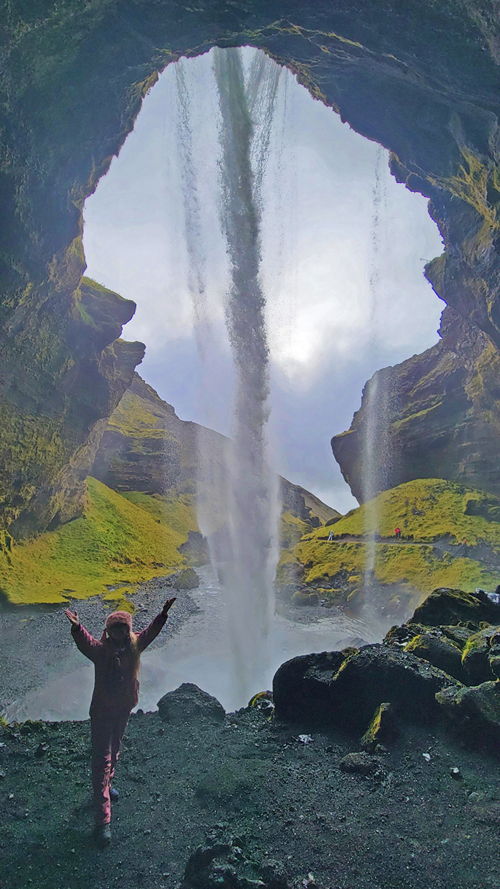
At Seljalandsfoss, the water does not merely tumble over a cliff for you to admire from a distance. A path leads behind its towering curtain, placing you inside a roaring amphitheater of falling water, swirling mist, and slick rock. The waterfall drops roughly 200 feet over an ancient coastal cliff, and the view from behind the cascade transforms a familiar landscape into something much more immersive. On sunny days, shifting light can create rainbows in the spray.
Nearby Kvernufoss offers a quieter adventure tucked into a narrow, moss-lined gorge. A short hike leads toward the waterfall, where steep rock walls frame the rushing stream like a natural cathedral. When conditions permit, visitors can walk behind the cascade and watch the water plunge into the basin from an unusual angle. Both falls can leave you thoroughly soaked, so waterproof clothing and sturdy footwear are worthwhile. Check access conditions before approaching the slippery paths, especially in winter.
5 Visit a Black Sand Beach
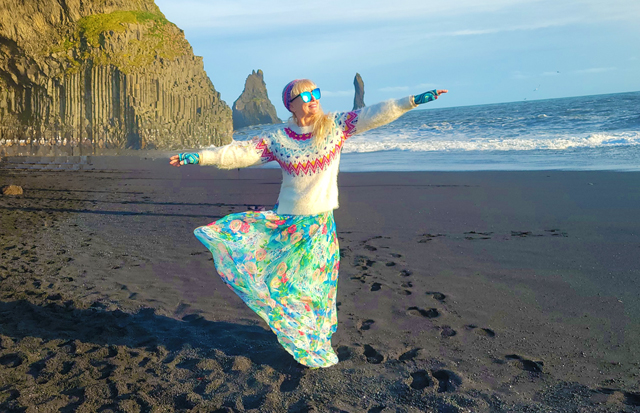
Iceland’s black sand beaches look as though they belong on another planet. At Reynisfjara, near Vik, volcanic sand stretches beneath immense basalt columns that resemble the pipes of a giant organ. Offshore, the Reynisdrangar sea stacks rise from the Atlantic like dark stone towers, surrounded by crashing white surf. These formations owe their dramatic appearance to Iceland’s volcanic origins, while erosion continues to sculpt the coastline into ever-changing shapes.
On the Snaefellsnes Peninsula, Djupalonssandur offers a different kind of drama. Dark pebbles cover the shore, remnants of a historic fishing community lie scattered nearby, and four traditional lifting stones recall the strength once demanded of fishermen seeking work aboard local boats. The landscape feels both beautiful and unforgiving, with jagged rocks and restless waves defining the coast. Take photographs from a safe distance, because sneaker waves at Iceland’s beaches can surge far beyond the waterline without warning.
Stokksnes Beach in Iceland captivates with its sweeping black sands, dramatic dunes, and towering Vestrahorn Mountain, whose jagged peaks create a breathtaking backdrop reflected in shallow pools along the shore.
4 Explore an Ice Cave
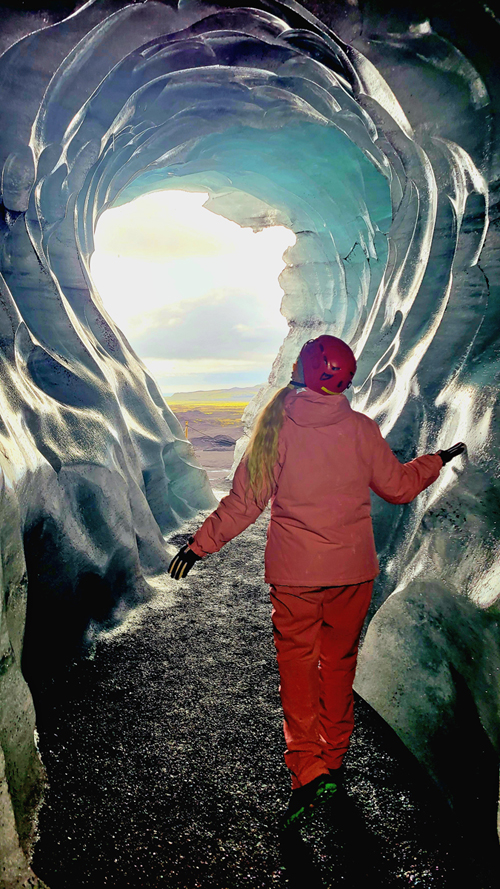
Step inside an Icelandic ice cave and the world outside seems to disappear. Translucent blue walls curve overhead, frozen ripples catch the light, and dark volcanic streaks slice through the ice like dramatic brushstrokes. At Katla, near Vik, volcanic ash trapped within the glacier creates striking black-and-white patterns against luminous blue ice. The caves form through natural processes involving meltwater and shifting temperatures, so their shapes and colors change as conditions evolve.
Vatnajokull, Europe’s largest glacier by volume, is another destination for exploring these astonishing frozen chambers. Sunlight filtering through dense ice can illuminate entire passages in shades of blue, from pale aquamarine to deep sapphire. Yet these beautiful structures are not permanent monuments. Ice caves can flood, shift, or collapse, making professional guidance essential. Join an experienced glacier guide, wear the required safety equipment, and never enter a cave independently. The reward is an up-close encounter with a constantly changing world carved from ice.
3 Soak in a Geothermal Hot Spring
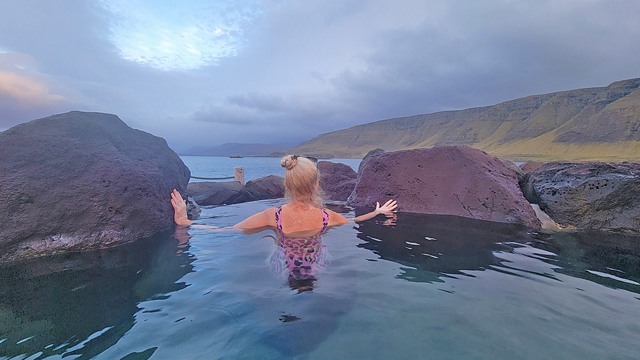
After a day of wind, rain, and rugged trails, sinking into Iceland’s naturally heated waters feels almost decadent. The Blue Lagoon, near Grindavik, is famous for its milky blue water, pale silica deposits, and dramatic setting amid dark lava fields. The spa opened in 1987 and developed around geothermal seawater associated with the nearby Svartsengi power plant. Steam rises above the warm pools, creating a striking contrast with the black volcanic rock surrounding them.
For a different atmosphere, Hvammsvik Hot Springs on the western coast offers geothermal pools nestled beside the sea. The pools vary in temperature, and their coastal setting brings the changing tides and open fjord scenery into the experience. On a breezy day, warm water against cool air makes the contrast especially vivid. Iceland’s geothermal bathing traditions reflect the volcanic heat beneath the island, turning underground energy into an everyday pleasure. Reserve ahead where needed, and follow local guidance about changing conditions and safe bathing.
2 Snorkel Between the Tectonic Plates
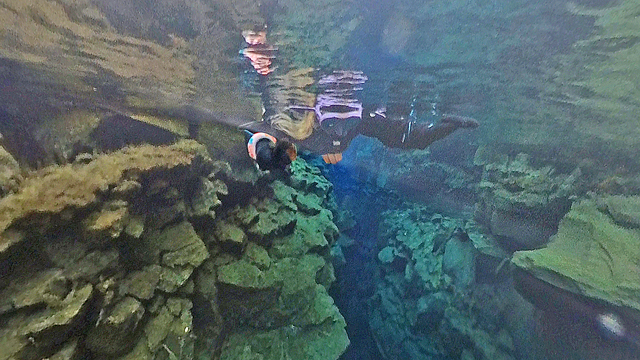
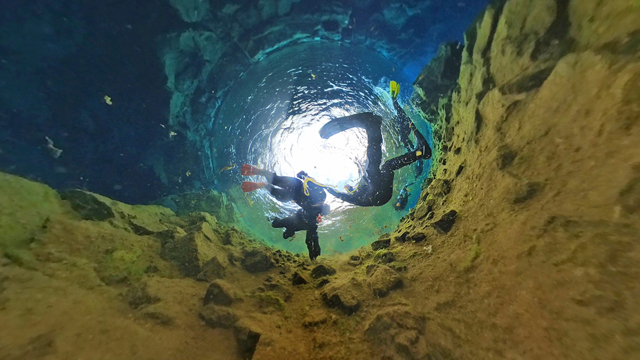
Imagine floating in water so clear that submerged rock formations seem suspended in midair. At Silfra, in Thingvellir National Park, snorkelers glide through a fissure between the North American and Eurasian tectonic plates. The water originates as glacial meltwater from Langjökull, filtering through porous underground lava rock for decades before reaching the fissure. That natural filtration produces astonishing visibility, sometimes exceeding 300 feet, revealing deep crevices and brilliant shades of blue.
The setting has a remarkable historical dimension, too. Around 930, Iceland’s early settlers established the Althing at Thingvellir, one of the world’s oldest surviving parliamentary institutions. Today, the park’s rift landscape reveals the same powerful geological forces that continue to reshape the island. The water stays extremely cold year-round, so visitors wear specialized dry suits and must satisfy their tour operator’s safety requirements. Floating between enormous rock walls, with almost nothing obscuring the view, is an adventure unlike ordinary snorkeling.
1 Kayak Next to Icebergs
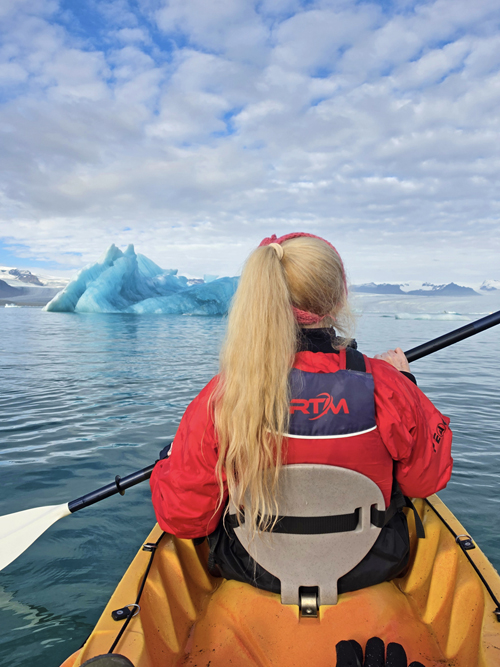
At Jokulsarlon Glacier Lagoon, enormous icebergs drift across deep blue water like sculpted monuments slowly breaking apart. The lagoon developed as Breidamerkurjokull, an outlet glacier of Vatnajokull, retreated during the twentieth century. Today, chunks of ice calve from the glacier and float toward the sea, their surfaces displaying jagged peaks, smooth curves, translucent blue sections, and black streaks of volcanic ash. The result is a constantly shifting gallery of natural sculptures.
From a kayak, the icebergs rise around you, revealing shapes and textures difficult to appreciate from shore. Seals may lounge on smaller floes, occasionally lifting their heads as paddlers pass at a respectful distance. Sometimes an iceberg suddenly rolls over as its unstable center of gravity shifts, exposing submerged ice and sending ripples across the lagoon. Such events are unpredictable, which is why guided excursions maintain safe distances and operate only under suitable conditions. Paddling here brings you into the heart of Iceland’s glacial landscape without diminishing the awesome power of the ice.
Honorable Mention
11 Hike in the East Fjords
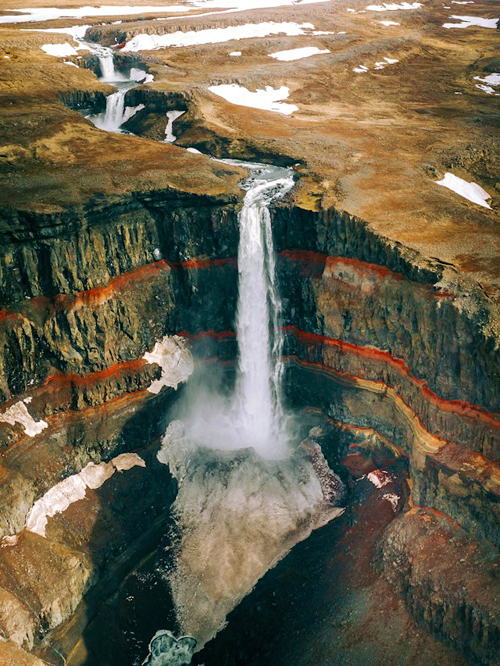
This one is listed as an honorable mention because torrential rain and wind created unsafe conditions for hiking, and we were unable to do it.
Hengifoss, in eastern Iceland, plunges approximately 420 feet down a cliff striped with vivid red clay between layers of dark basalt. The bands look almost painted onto the rock, but they record ancient volcanic eruptions and the intervals between successive lava flows. Oxidized iron gives the clay its rusty red color, creating one of Iceland’s most striking geological displays. Against the black stone, the waterfall appears like a white ribbon cutting through a giant layered wall.
The hike toward Hengifoss is moderately difficult due to the steep incline The narrow path climbs above the valley and opens up expansive views of the surrounding countryside and Lake Lagarfljot.The trail rewards the uphill effort with changing perspectives on the canyon and its extraordinary rock formations. Eastern Iceland’s quieter setting makes this hike an excellent addition to a trip focused on adventure and geology.
Conclusion
The best adventures in Iceland put you face-to-face with the planet’s wildest forces, from volcanic landscapes and thunderous waterfalls to ice caves glowing blue beneath ancient ice. Walk between continents, snorkel through crystal-clear fissures, or kayak among drifting icebergs. Every journey reveals another side of Iceland, where nature creates scenery as exhilarating as it is beautiful.
Click below to PIN so you can find the best adventures in Iceland again:
This article may contain affiliate/compensated links. For full information, please see our disclaimer.
About the Author
Patti Morrow is a travel influencer and founder of the award-winning international blog Luggage and Lipstick. TripAdvisor called her one of the “20 Baby Boomer Travel Bloggers Having More Fun Than Millennials,” and she was named one of the “Top 35 Travel Blogs” in the world.
She starred in the pilot of the upcoming TV series “Destination Takeover,” which is scheduled to premiere in the near future.
Patti is the author of the book “Girls Go Solo: Tips for Women Traveling Alone,” and has over 150 bylines in 40 print and online publications, including The Huffington Post, International Living Magazine, Washington Post Sunday Travel, Travel Girl, Travel Play Live Magazine, and Ladies Home Journal. Her blog articles are consistently featured on Google’s AI search, as well as appearing on page one of Google search for specific keywords.
She has traveled extensively through six continents and 117 countries and territories – putting her in an elite club of having traveled more than 99.99% of people! She is always looking for fabulous destinations, exotic beaches, and adventure activities for her Baby Boomer tribe.

Leave a reply