
Iceland is a land of spectacular contrasts, where waterfalls plunge over volcanic cliffs, glaciers stretch across black-sand plains, and steaming geothermal pools bubble beneath vast skies. But this dramatic landscape comes with a few surprises. The weather changes in minutes, roads can be treacherous, and the ocean is far more dangerous than its beautiful beaches suggest. Knowing what not to do in Iceland can make the difference between an incredible adventure and a costly, or even dangerous, mistake.
From navigating rugged F-roads to understanding local customs, a little preparation goes a long way. These 20 tips will help you explore Iceland confidently while protecting its extraordinary landscapes and avoiding unnecessary expenses.
Here’s what not to do in Iceland, in no particular order:
1 Don’t Wait Until to Book the Blue Lagoon
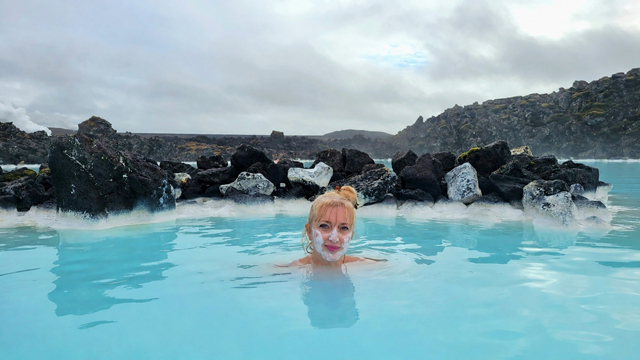
The Blue Lagoon’s milky-blue geothermal water, surrounded by dark lava fields, makes it one of Iceland’s most recognizable attractions. Its popularity means that entry slots can sell out, particularly during busy travel periods and at desirable times of day. Reserve your visit in advance, and confirm the arrival time, package details, and cancellation policy before paying. Remember that the lagoon is a managed geothermal spa rather than a natural hot spring, using mineral-rich water associated with the nearby geothermal power plant. If your schedule depends on visiting shortly after landing or before departure, allow enough time for delays. Booking ahead gives you more control over your itinerary.
2 Don’t Stay in Reykjavik
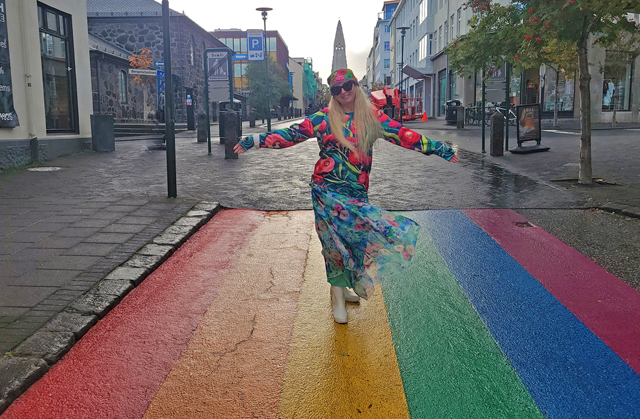
Reykjavik is an excellent starting point, with colorful streets, lively cafes, museums, and a striking waterfront. But confining your entire Iceland trip to the capital means missing much of what makes the country extraordinary. Beyond the city lie glacier tongues, black-sand beaches, volcanic craters, thundering waterfalls, geothermal valleys, and enormous stretches of open countryside. The Ring Road circles the island for roughly 1,330 kilometers, connecting coastal villages and landscapes that change dramatically from one region to another. Even a short journey beyond Reykjavik reveals a different side of Iceland. Spend time exploring the south coast, the Snæfellsnes Peninsula, or other regions that fit your schedule, rather than treating the capital as the whole destination.
3 Don’t Stop in the Middle of the Road
Iceland’s empty-looking highways can tempt you to slam on the brakes when a waterfall appears, or a herd of Icelandic horses grazes nearby. Resist the urge. Stopping in the road creates a serious collision risk, even when traffic seems nonexistent. Instead, pull completely into a designated parking area or safe roadside turnout before reaching for your camera. On narrow roads, blind hills, and winding coastal routes, another vehicle may appear faster than you expect. Iceland’s spectacular scenery deserves photographs, but never at the expense of your safety or someone else’s.
4 Don’t Drive a Regular Car on an F-Road
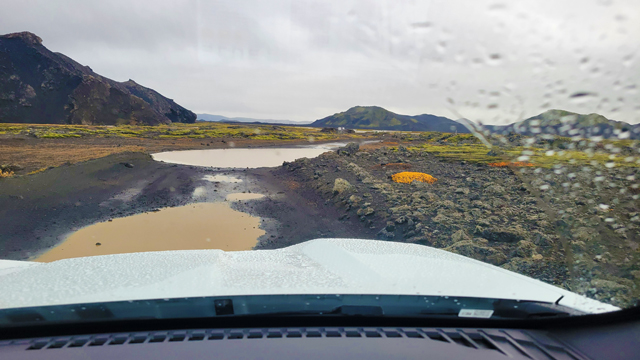
Iceland’s mountain F-roads lead to some of the country’s most dramatic landscapes, including remote volcanic deserts, colorful rhyolite mountains, and hidden waterfalls. However, these rugged routes are not suitable for ordinary passenger cars. Many have loose stones, deep ruts, steep inclines, and unbridged river crossings that can flood vehicle interiors or sweep cars downstream. A four-wheel-drive vehicle with suitable ground clearance is often required or strongly recommended, depending on the route and rental agreement. F-roads are generally seasonal and may close around the end of September, depending on conditions. Always check official road information before setting out, and never attempt a river crossing unless you understand the risks.
5 Don’t Speed
Iceland’s open highways can feel like an invitation to put your foot down, but speed limits exist for good reasons. The general limit is 90 kilometers per hour on paved rural roads, 80 on gravel roads, and 50 in urban areas unless signs indicate otherwise. Sudden gusts, loose gravel, sheep crossing the road, and rapidly changing visibility can turn a routine drive into a dangerous situation. Speed cameras also operate throughout the country, and fines can be expensive. Slow down, leave plenty of stopping distance, and remember that Iceland’s scenery is best enjoyed when you have time to appreciate it.
6 Don’t Forget to Get Gas Every Chance
Outside Reykjavik and the larger towns, gas stations can be surprisingly far apart. You might drive past miles of lava fields, glacier-fed rivers, and windswept farmland without seeing a single fuel pump. Some stations are unattended, particularly in remote areas, and require a payment card with a PIN. Make refueling part of your routine rather than waiting for the warning light to appear. On long drives through the Highlands or along quieter sections of the Ring Road, keeping your tank well supplied provides a valuable safety margin. Running out of fuel in an isolated area can disrupt your entire itinerary.
7 Don’t Forget to Pay the Parking Fees
Pulling into a parking lot beside a magnificent waterfall or volcanic crater can feel like the easiest part of your visit, but many popular Icelandic attractions charge parking fees. Locations around major waterfalls, national parks, and natural landmarks may use automated camera systems to record license plates. Payment procedures vary, and some sites require you to pay through a website or parking app within a specified period. Don’t assume that a free entrance means free parking. Check the signs when you arrive, note the payment deadline, and settle the charge before leaving or as directed. A few minutes of attention can prevent an unnecessary fine, which can be 2x the cost of the fee.
8 Don’t Convert a Lot of Cash
Iceland is one of the easiest countries in Europe to explore without carrying much cash. Credit and debit cards are widely accepted at hotels, restaurants, supermarkets, gas stations, and many small businesses. Converting large sums into Icelandic krona before your trip can leave you with leftover currency and unnecessary exchange fees. Instead, bring a card with favorable foreign transaction terms and withdraw a small amount only if needed. Keep a backup payment method in a separate place in case your primary card is lost or declined. Although cash can occasionally be useful, most visitors will find that carrying a thick wallet of banknotes is unnecessary.
9 Don’t Tip
Travelers accustomed to American tipping customs may instinctively add 15 to 20 percent to every restaurant bill in Iceland. That is generally unnecessary. Service charges and wages are typically structured differently, and tipping is not an expected part of everyday dining. Restaurant, cafe, and bar staff do not rely on tips in the same way many American workers do. If service is exceptional, a small extra amount is appreciated but entirely optional. Check the bill before adding anything, and don’t feel uncomfortable paying the stated price. I’ve also heard that locals do not want tourists to introduce tipping culture into their country. Understanding this cultural difference can make dining simpler and help you budget accurately during an otherwise expensive trip.
10 Don’t Buy Bottled Water
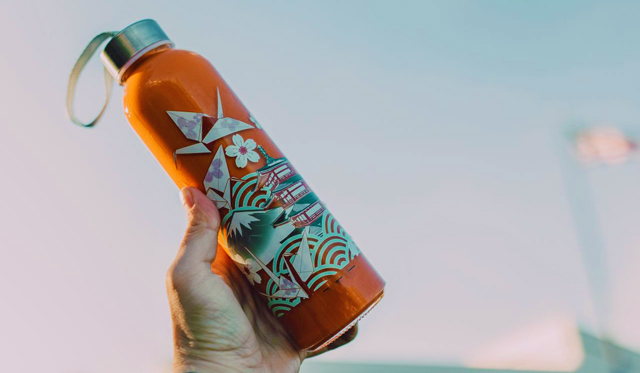
Why pay for bottled water when Iceland has exceptionally good tap water? Much of the country’s drinking water comes from protected groundwater sources, including water filtered naturally through volcanic rock. Cold tap water is generally excellent and widely available. Bring a reusable bottle and refill it at your accommodation, restaurants, and other suitable locations. The cold water is usually the best choice straight from the tap. In some areas, hot water comes from geothermal sources and may have a sulfurous smell, so use cold tap water for drinking and let it run briefly if necessary. Refilling your bottle saves money and reduces plastic waste.
11 Don’t Forget a Credit Card With a PIN
A payment card that works effortlessly at home may behave differently at an unattended Icelandic gas station. Some fuel pumps require a four-digit PIN, and certain payment terminals may not accept every card type. Before leaving home, contact your bank to confirm your card’s PIN, international usage, and foreign transaction fees. A card with a chip and PIN is particularly useful when traveling outside larger towns. Carry a backup card in case one is rejected, and keep some available funds for fuel deposits or temporary authorization holds. Preparing your payment options before departure can prevent a frustrating roadside problem when the next gas station is many miles away.
12 Don’t Be Shocked by the High Costs

Iceland can make an ordinary travel budget feel surprisingly small. Hotel rooms, guided glacier walks, whale-watching excursions, restaurant meals, and traditional Icelandic wool sweaters can all carry hefty price tags. The country’s remote location, high wages, and reliance on imported goods contribute to its elevated costs. A hand-knitted lopapeysa sweater, prized for its distinctive circular yoke and insulating wool, can be a substantial purchase. Plan ahead by booking accommodation early, mixing restaurant meals with supermarket picnics, and choosing experiences that genuinely interest you. Budget for fuel, parking, and occasional weather-related changes, too. Knowing what things cost before arrival helps prevent unpleasant surprises.
13 Don’t Expect to See the Aurora Borealis
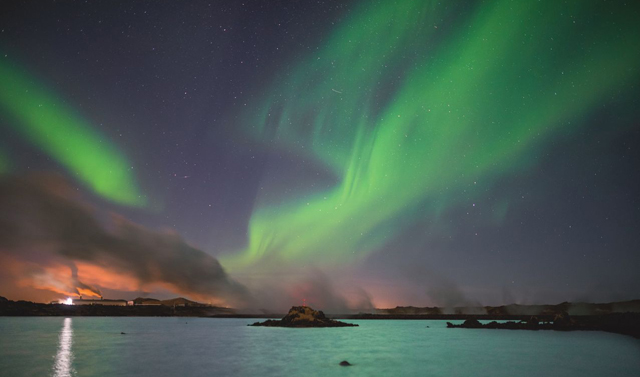
The Northern Lights are one of Iceland’s most alluring natural spectacles, but timing matters. The aurora requires darkness, clear skies, and suitable solar activity, so the bright nights of summer are generally unsuitable for viewing it. The main viewing season usually runs from late August or September through March or early April, depending on darkness and weather conditions. Autumn and spring can offer opportunities, but sightings are never guaranteed. Cloud cover can hide even strong auroral displays, and a clear evening does not automatically mean the lights will appear. We were there for 12 days from mid-September until early October and were disappointed to learn that we had zero chance of seeing the Northern Lights. Check aurora forecasts and cloud maps, stay flexible with your plans, and give yourself several nights if seeing the Northern Lights is a priority.
14 Don’t Be Offended by Aloof Locals

Icelanders may seem reserved to visitors accustomed to enthusiastic greetings and frequent small talk. In reality, a quieter manner does not necessarily signal unfriendliness. People may prefer to give strangers personal space rather than initiate conversation, especially in public settings. English is widely spoken, and locals are often happy to help when approached politely. A simple greeting, a respectful question, and an appreciation for local customs can open the door to pleasant interactions. Don’t expect every encounter to become a lengthy conversation, and avoid mistaking a calm demeanor for rudeness. Respect for privacy is part of the social atmosphere, and a little courtesy goes a long way.
15 Don’t Walk on the Moss
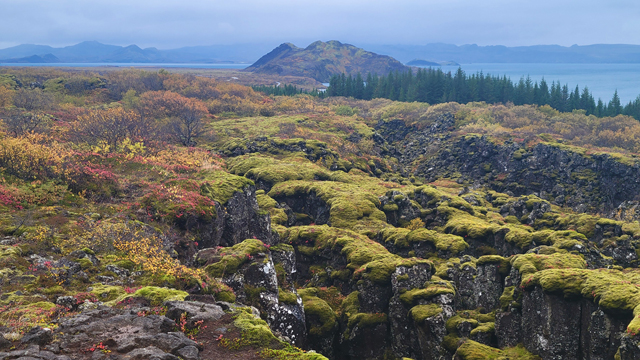
Iceland’s velvety green moss looks like an inviting carpet draped across ancient lava fields, but stepping onto it can cause lasting damage. Much of this vegetation grows slowly in the country’s harsh climate, where wind, cold, and limited soil make recovery difficult. A footprint can crush delicate growth and leave a scar that remains visible for years. The moss-covered lava fields around places such as Eldhraun are especially vulnerable. Stay on established trails and follow marked routes, even when the ground looks soft and harmless. Photograph the unusual textures and colors from a safe distance. Protecting these fragile ecosystems helps preserve the landscapes that make Iceland so distinctive.
16 Don’t Try to Climb the Basalt Columns
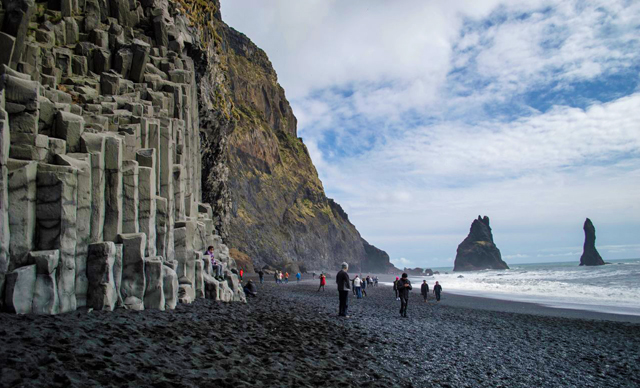
Reynisfjara Beach is famous for its striking basalt columns, formed when cooling lava contracted into geometric shapes along Iceland’s volcanic coastline. However, beach erosion has made the columns no longer accessible, so don’t expect to climb on them for photographs. The coastline is constantly changing under the force of Atlantic waves, and the beach also presents serious hazards from unstable terrain and powerful sneaker waves. Admire the dramatic formations from permitted viewing areas, respect barriers and safety signs, and keep a safe distance from the surf. The scenery is spectacular without putting yourself or the fragile coastline at risk.
17 Don’t Ignore the Sneaker Waves
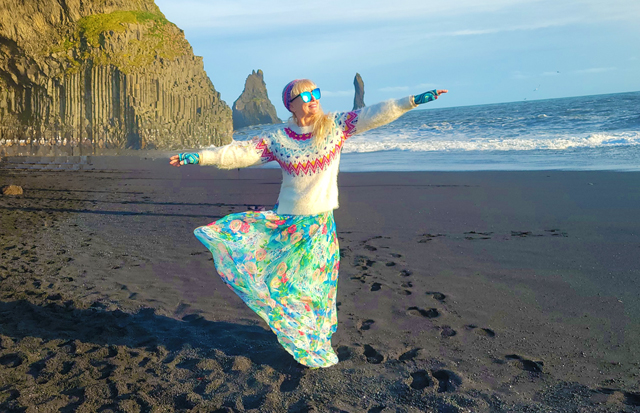
Reynisfjara’s black sand, towering cliffs, and pounding Atlantic surf create one of Iceland’s most dramatic coastal scenes. They also conceal a serious hazard. Sneaker waves can surge much farther up the beach than the waves immediately before them, sweeping unsuspecting visitors into the frigid sea. The current can be powerful, and the steep shoreline makes it difficult to escape once caught. Never turn your back on the ocean, stay well away from the water’s edge, and obey warning signs and barriers. Even when the beach looks calm, conditions can change abruptly. No photograph is worth risking your life in the North Atlantic.
18 Don’t Forget Waterproof Clothing
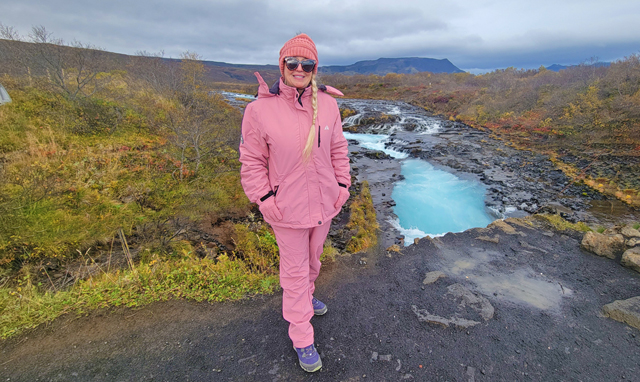
Iceland’s weather can switch from sunshine to driving rain in a matter of minutes. A waterfall viewpoint may soak you with spray, coastal winds can push rain sideways, and a short hike can become uncomfortable when your clothing stays wet. Pack a genuinely waterproof jacket and trousers, quick-drying layers, and sturdy footwear with good traction. A rain-resistant fashion jacket alone may not provide enough protection during sustained downpours. Waterproof covers for camera equipment and a dry bag for valuables can also prove useful. Layering allows you to adapt to changing temperatures without carrying an entire wardrobe. Staying dry makes outdoor adventures far more enjoyable when the weather refuses to cooperate.
19 Don’t Underestimate the Wind

Iceland’s wind can be fierce enough to make standing upright difficult, particularly along exposed coastlines and mountain passes. Sudden gusts can slam car doors open, damage hinges, and even pull doors from their frames. Hold your vehicle door firmly with both hands when entering or exiting, and park with the wind in mind when possible. On foot, strong gusts can make cliffs, slippery trails, and exposed viewpoints especially hazardous. Check weather warnings before driving or hiking, and postpone plans when conditions are severe. The wind can also make temperatures feel much colder than the thermometer suggests, so dress accordingly and never assume a sunny sky means comfortable conditions.
20 Don’t Forget to Download Safety Apps
Reliable digital tools can make an Iceland road trip considerably safer and easier. Before setting off, download useful apps and save essential websites for road conditions, weather warnings, navigation, and emergency assistance. The official SafeTravel Iceland service provides travel alerts and safety information, while the Icelandic Meteorological Office offers weather forecasts and warnings. Check road.is for closures and driving conditions, especially before entering remote areas or attempting an F-road. Download offline maps for places where mobile reception may be weak, and keep your phone charged with a power bank in the car. Iceland’s landscapes may feel wonderfully remote, but preparation and timely information can help you make sensible decisions when conditions change.
Conclusion
Knowing what not to do in Iceland helps you avoid expensive mistakes, dangerous situations, and damage to fragile landscapes. Respect the weather, drive cautiously, prepare for remote journeys, and follow local safety guidance. With thoughtful planning and a flexible itinerary, you can experience Iceland’s extraordinary waterfalls, volcanic scenery, glaciers, and beaches with greater confidence and appreciation.
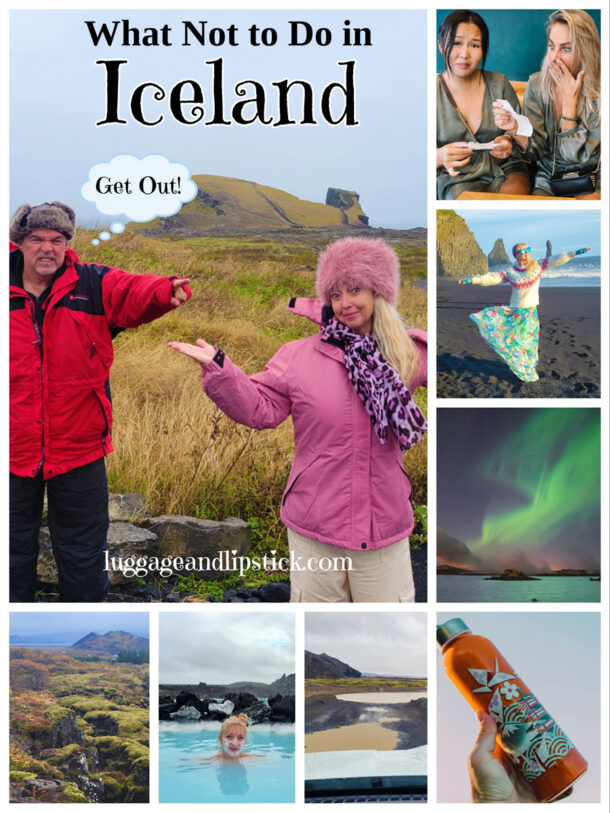
Click below to PIN so you can find what not to do in Iceland again:
This article may contain affiliate/compensated links. For full information, please see our disclaimer.
About the Author
Patti Morrow is a travel influencer and founder of the award-winning international blog Luggage and Lipstick. TripAdvisor called her one of the “20 Baby Boomer Travel Bloggers Having More Fun Than Millennials,” and she was named one of the “7 Best Travel Bloggers for Women Over 50.”
She starred in the pilot of the upcoming TV series “Destination Takeover,” which is scheduled to premiere in the near future.
Patti is the author of the book “Girls Go Solo: Tips for Women Traveling Alone,” and has over 150 bylines in 40 print and online publications, including The Huffington Post, International Living Magazine, Washington Post Sunday Travel, Travel Girl, Travel Play Live Magazine, and Ladies Home Journal. Her blog articles are consistently featured on Google’s AI search, as well as appearing on page one of Google search for specific keywords.
She has traveled extensively through six continents and 117 countries and territories – putting her in an elite club of having traveled more than 99.99% of people! She is always looking for fabulous destinations, exotic beaches, and adventure activities for her Baby Boomer tribe.

Leave a reply