
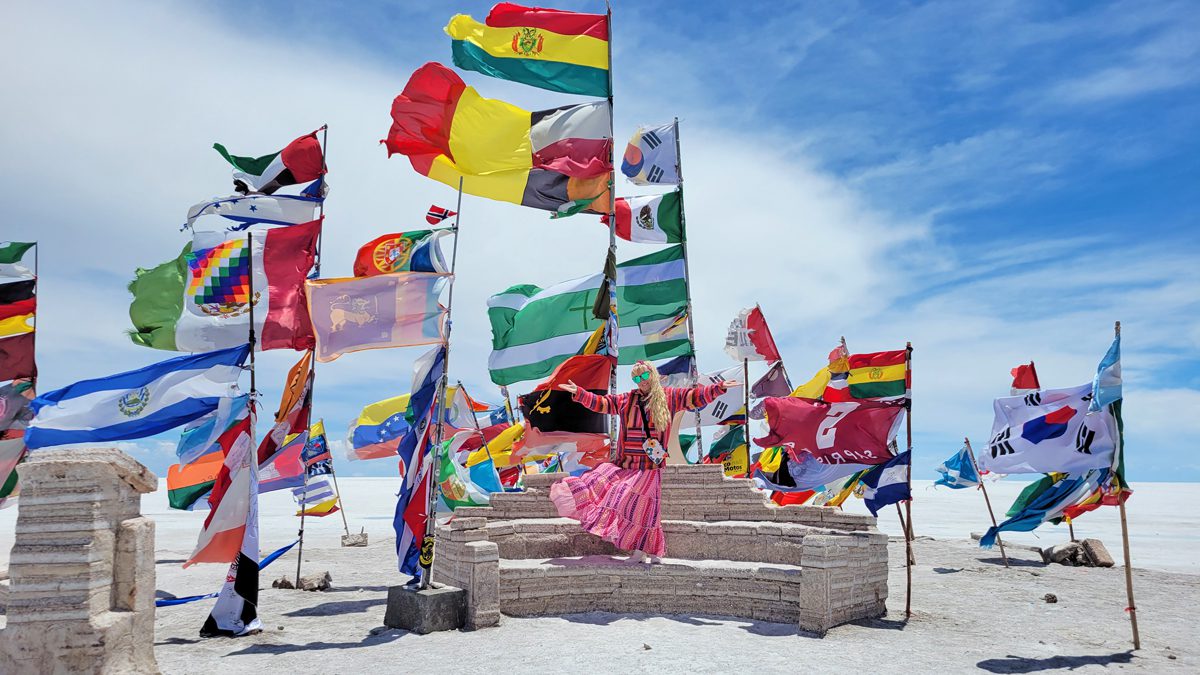
If you’re searching for unforgettable South American adventures, Bolivian tourist attractions should be at the top of your list. Bolivia is a land of dramatic contrasts, where high-altitude deserts meet lush jungles and ancient traditions blend with vibrant modern culture. Travelers can explore surreal salt flats, colorful lagoons, historic colonial cities, and lively markets full of mystery.
Whether you want outdoor adventure, cultural immersion, or breathtaking scenery, Bolivian tourist attractions offer experiences you simply won’t find anywhere else. From legendary landscapes to unique local traditions, Bolivia delivers surprises around every corner for curious travelers ready to explore something truly extraordinary.
Note: I explored Bolivia with G Adventures and highly recommend their Bolivian Tour.
15 Train Cemetery
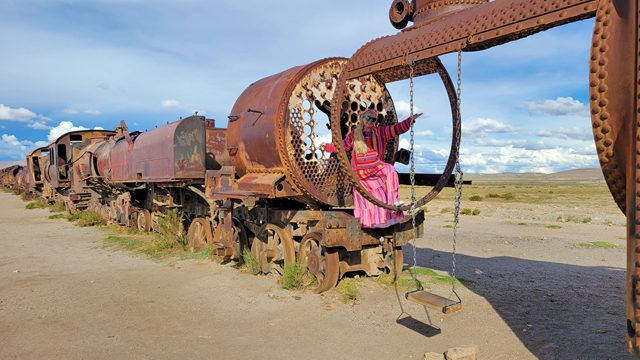
Just outside the town of Uyuni lies the eerie yet fascinating Train Cemetery. Rusting locomotives and abandoned rail cars stretch across the desert, creating a surreal open-air museum. These trains date back to Bolivia’s mining boom in the late 19th and early 20th centuries, when Uyuni served as a major transportation hub. When the mining industry declined, the trains were left behind to slowly decay in the harsh salt desert climate. Today, visitors wander among the skeletal metal giants, climb aboard old engines, and photograph one of the most unusual Bolivian tourist attractions.
14 Salteñas
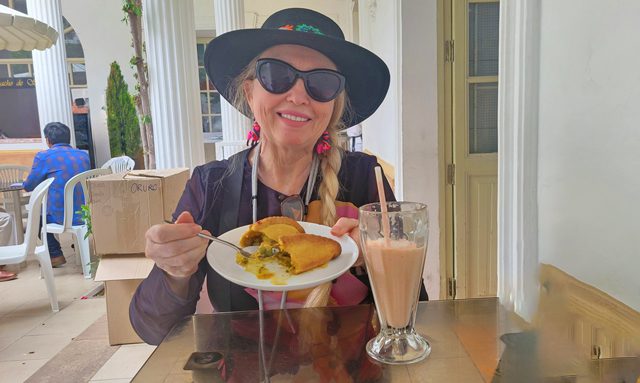
Food is an adventure in Bolivia, and salteñas are a must-try culinary experience. These savory pastries resemble empanadas but are filled with a rich, slightly sweet broth, meat, vegetables, olives, and sometimes hard-boiled quail eggs. Eating them can be tricky because of the juicy filling, but locals consider mastering the technique a rite of passage. Salteñas are typically eaten in the morning and sold by street vendors or bakeries across the country. Sampling this iconic snack offers travelers a delicious way to experience everyday Bolivian culture while exploring markets, plazas, and lively city streets.
13 Inca Trail

While Peru’s Inca Trail gets global fame, Bolivia also offers a spectacular version that remains far less crowded. The Bolivian Inca Trail runs from the high Andes down toward the Yungas region near Coroico. Along the route, hikers pass through cloud forests, ancient stone pathways, and dramatic mountain landscapes. Archaeological remnants from the Inca Empire appear along the trail, adding historical depth to the adventure. The trek showcases Bolivia’s incredible biodiversity and scenery while offering a quieter alternative to its famous neighbor, making it an appealing journey for travelers seeking both history and wilderness.
12 Isla del Sol
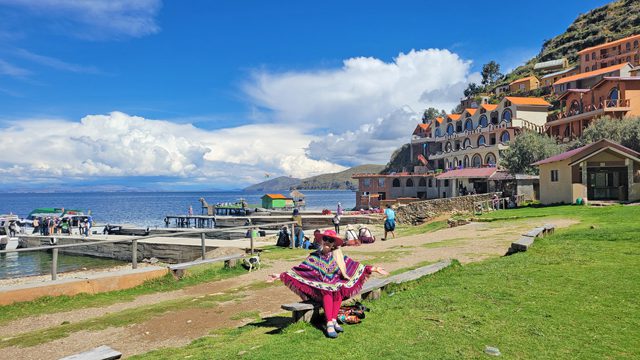
Floating on the deep blue waters of Lake Titicaca, Isla del Sol is steeped in myth and beauty. According to Inca legend, the sun god Inti was born here, making the island a sacred place in Andean culture. Visitors hike scenic trails that connect small villages, ancient ruins, and panoramic viewpoints over the lake. Life on the island moves slowly, with terraced hillsides, stone pathways, and traditional farming still shaping daily routines. The peaceful atmosphere makes Isla del Sol a perfect escape for travelers looking to experience authentic Andean culture and breathtaking high-altitude scenery.
11 Potosi Historic Center
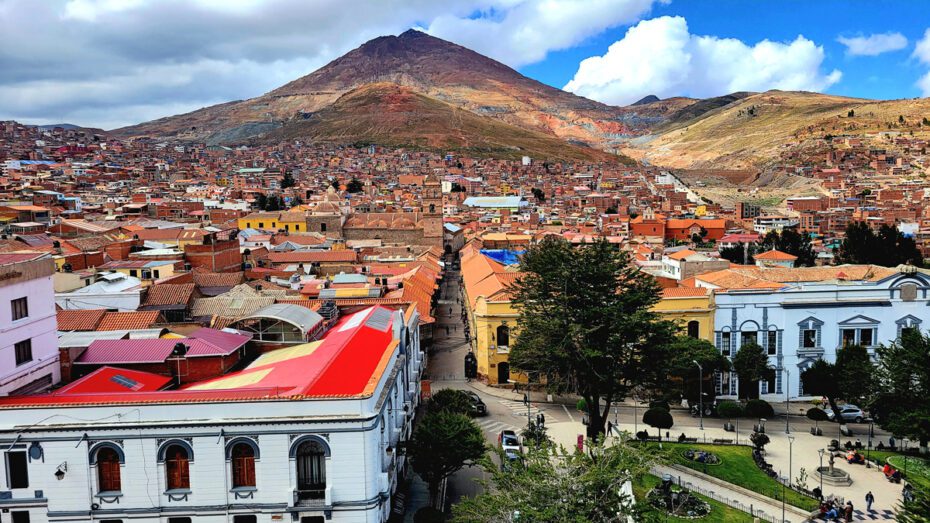
Once one of the richest cities in the world, Potosi’s former wealth was generated by the silver mines of Cerro Rico. Its historic center is filled with colonial architecture, ornate churches, and grand plazas that reveal its Spanish imperial past. Walking through the city feels like stepping into a living museum. Many travelers also visit the nearby mines to understand the difficult history of labor that built Potosi’s fortune; it’s considered a “dark tourism site.” The city’s UNESCO-listed historic district preserves an important chapter of South American history while offering stunning views of the surrounding mountains.
10 Mi Teleferico
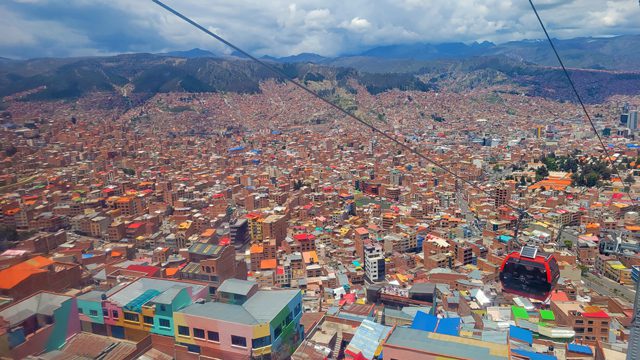
La Paz’s Mi Teleferico system is not just public transportation; it’s a remarkable urban experience. The cable cars glide high above the sprawling city, connecting neighborhoods across steep valleys and towering hills. Riders enjoy sweeping views of colorful buildings stacked along mountain slopes such as Chualluma (above), with the snow-capped peak of Mount Illimani dominating the skyline. What began as a solution to traffic congestion quickly became one of the city’s most beloved attractions. For visitors, riding the cable cars provides a unique perspective of La Paz and a convenient way to explore Bolivia’s highest capital city.
9 Convento de San Felipe Neri Sucre
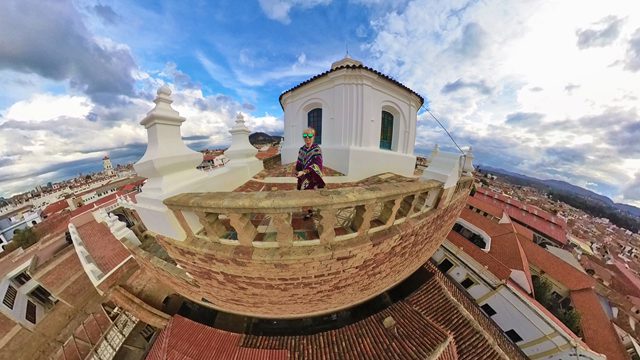
In the elegant colonial city of Sucre, the Convento de San Felipe Neri offers one of the most photogenic rooftops in Bolivia. Built in the late 18th century, this historic monastery features whitewashed walls, terracotta roofs, and peaceful courtyards. Visitors can climb to the rooftop terraces for stunning views over Sucre’s skyline of domes and church towers. At sunset, the golden light reflecting off the white buildings creates an unforgettable atmosphere. The convent also houses religious artifacts and artwork that reveal the city’s deep colonial and spiritual heritage.
8 Polques Hot Springs
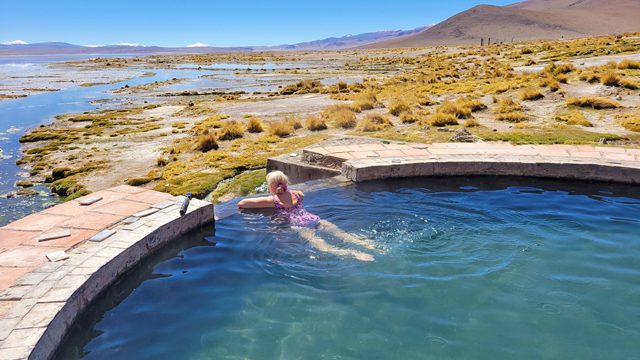
Located within Bolivia’s high-altitude desert, the Polques Hot Springs offer travelers a warm oasis surrounded by dramatic scenery. The steaming mineral pools sit at over 4,000 meters above sea level near geysers and volcanic landscapes. Visitors soak in the soothing waters while gazing across wide plains, distant mountains, and roaming wildlife such as flamingos and vicuñas. The contrast between the freezing desert air and the warm springs makes the experience even more memorable. Relaxing here after a long day exploring the Altiplano feels like discovering a hidden sanctuary in the wilderness.
7 Cholitas Wrestling

In El Alto near La Paz, Cholitas Wrestling combines athletic spectacle with cultural pride. The performers are indigenous Aymara women known as cholitas, recognizable by their traditional skirts, braided hair, and bowler hats. Inside lively arenas, these women deliver dramatic wrestling matches full of flips, costumes, and theatrical storylines. The shows are energetic, humorous, and surprisingly skillful. What began as entertainment has grown into a symbol of empowerment and cultural identity. Watching a match provides visitors with a colorful glimpse into contemporary Bolivian culture and its playful sense of performance. It’s one of the most unique travel experiences!
6 Witches Market
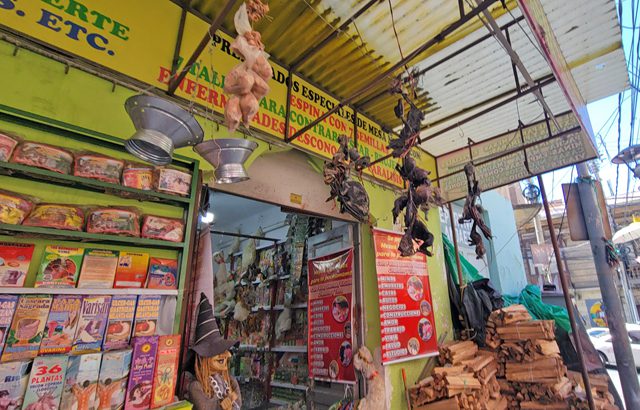
In the heart of La Paz, the Witches Market reveals a fascinating side of Andean spiritual traditions. Vendors sell herbs, talismans, amulets, and ritual items used in indigenous ceremonies dedicated to Pachamama, or Mother Earth. Dried llama fetuses, believed to bring protection and prosperity when buried beneath buildings, are among the market’s most unusual offerings. Visitors also find colorful textiles, traditional remedies, and handcrafted souvenirs. The market provides a unique cultural experience that highlights Bolivia’s blend of indigenous beliefs and daily life, making it one of the city’s most intriguing destinations.
5 Copacabana
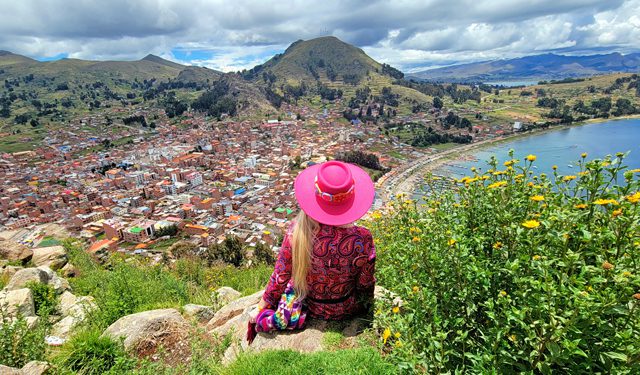
Nestled along the shores of Lake Titicaca, the small town of Copacabana offers stunning lakeside scenery and a relaxed atmosphere. Pilgrims and travelers alike visit the Basilica of Our Lady of Copacabana, home to the revered Virgin of Copacabana statue. The town’s waterfront is lined with restaurants serving freshly caught trout from the lake. Hiking to the nearby Cerro Calvario provides a panoramic viewpoint over the deep blue water and surrounding mountains. Many visitors also use Copacabana as the gateway to Isla del Sol, making it an essential stop for anyone exploring Bolivia’s legendary high-altitude lake region.
4 Laguna Colorada
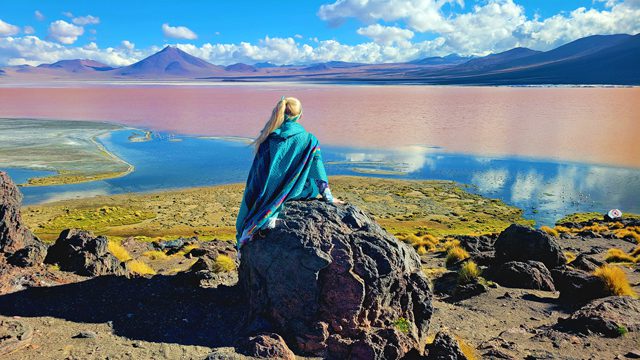
Laguna Colorada looks almost unreal. Its striking red waters stretch across the Altiplano within the Eduardo Avaroa National Reserve. The unusual color comes from algae and mineral-rich sediments beneath the surface. Thousands of flamingos gather here, feeding in the shallow waters and creating a breathtaking contrast against the crimson lake and white mineral deposits. Strong winds sweep across the vast landscape, adding to the dramatic atmosphere. For photographers and nature lovers, this remote destination ranks among the most visually spectacular Bolivian tourist attractions.
3 The Amazon

Bolivia’s Amazon region offers wild adventure far from the country’s high-altitude deserts and cities. Vast rainforests, winding rivers, and extraordinary biodiversity define this tropical ecosystem. Travelers often visit the Madidi National Park area, considered one of the most biologically diverse places on Earth. Guided jungle tours reveal monkeys, caimans, colorful birds, and countless plant species. Visitors can also experience traditional communities that have lived in harmony with the rainforest for generations. Exploring Bolivia’s Amazon provides an immersive nature experience that feels completely different from the landscapes most people associate with the country.
2 Eduardo Avaroa National Reserve
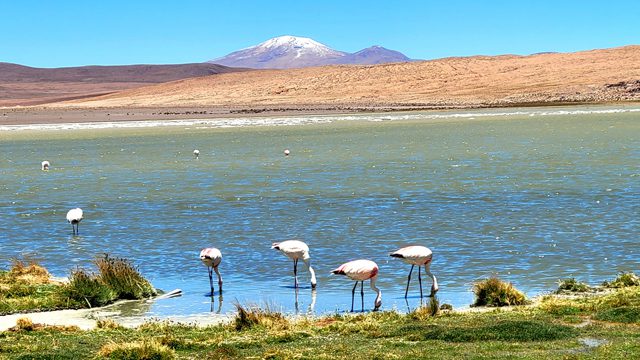
Stretching across Bolivia’s southwestern corner, Eduardo Avaroa National Reserve protects some of the most surreal landscapes in South America. The reserve features geysers, multicolored lagoons, towering volcanoes, and vast desert plains. Flamingos gather in mineral-rich lakes while steam rises from geothermal fields like Sol de Mañana. The remote environment feels almost otherworldly, drawing adventurers from around the world. Many travelers explore the reserve during multi-day tours that eventually lead to the famous salt flats. This protected area showcases the extreme beauty of the Bolivian Altiplano.
1 Salar de Uyuni
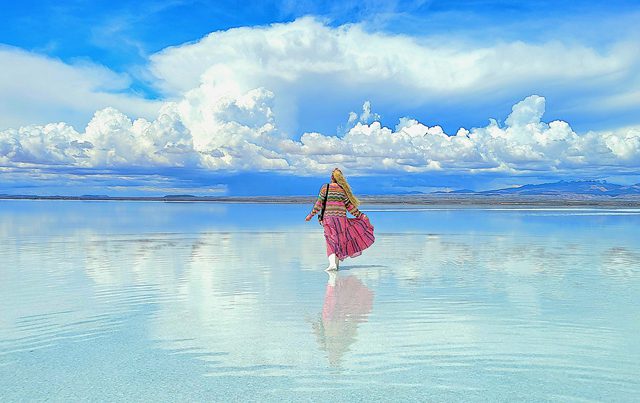
Salar de Uyuni is Bolivia’s most iconic destination and the largest salt flat on Earth. Stretching across more than 4,086 square miles, the endless white landscape creates a surreal environment unlike anywhere else on the planet. During the rainy season, a thin layer of water turns the flats into a giant mirror reflecting the sky. In the dry season, geometric salt patterns stretch to the horizon. Visitors explore cactus-covered islands, unique rock formations, and distant volcanoes. It stands as one of the most breathtaking Bolivian tourist attractions, a highlight of any South American journey, and one of the places to visit once in a lifetime.
Conclusion
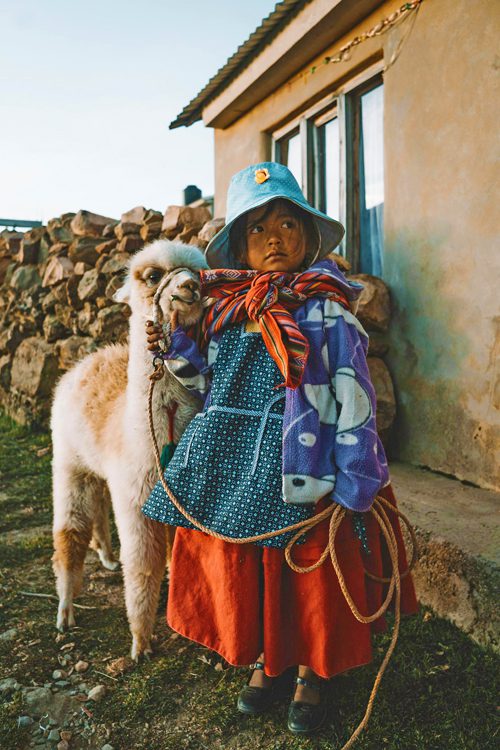
From mystical markets to mirror-like salt flats, Bolivian tourist attractions reveal a country full of wonder, culture, and dramatic landscapes. Whether trekking ancient trails, soaking in hot springs, or exploring vibrant cities, travelers discover experiences that feel both authentic and unforgettable in one of South America’s most fascinating destinations.
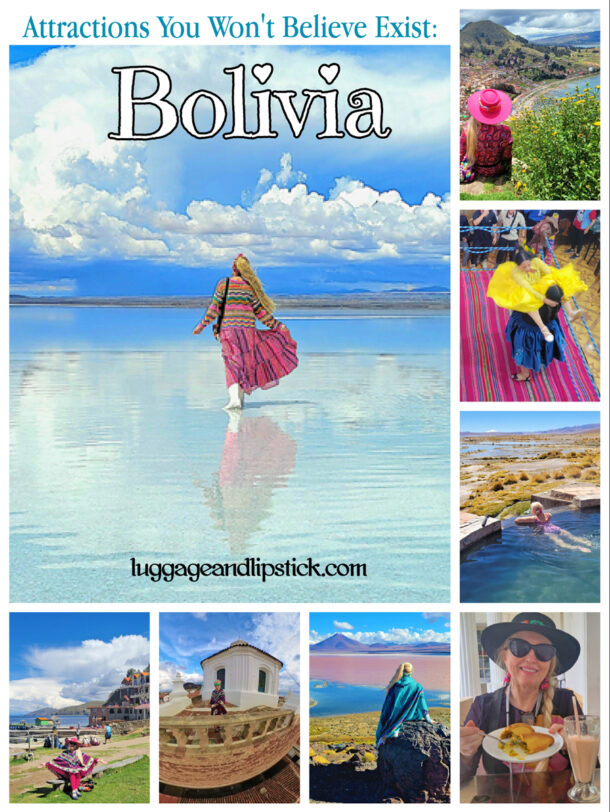
Click below to PIN so you can find Bolivian tourist attractions again:
Most photos by Kary Kern
This article may contain affiliate/compensated links. For full information, please see our disclaimer.
About the Author
Patti Morrow is a travel influencer and founder of the award-winning international blog Luggage and Lipstick. TripAdvisor called her one of the “20 Baby Boomer Travel Bloggers Having More Fun Than Millennials” and she was named one of the “Top 35 Travel Blogs” in the world.
She is also the star of the upcoming TV series “Destination Takeover” which is scheduled to premiere in the near future.
Patti is the author of the book “Girls Go Solo: Tips for Women Traveling Alone,” and has over 150 bylines in 40 print and online publications, including The Huffington Post, International Living Magazine, Washington Post Sunday Travel, Travel Girl, Travel Play Live Magazine, and Ladies Home Journal. She has traveled extensively through six continents looking for fabulous destinations, exotic beaches, and adventure activities for her Baby Boomer tribe.

Leave a reply