
Northern Armenia feels like a forgotten realm where mist clings to deep river canyons and ancient stone fortresses guard quiet ridge-lines. Emerald forests swallow medieval roads, leading curious travelers toward remote mountain valleys where history breathes quietly through weathered basalt, far away from standard tourist crowds and noisy city streets. These are just a few reasons to visit Northern Armenia.
Untamed landscapes cradle centuries of scholarly thought, sacred art, and industrial heritage along dramatic gorge edges. Hidden trails wind past tranquil mountain settlements and dramatic ravines, inviting explorers to discover atmospheric architectural treasures and forgotten historic monuments tucked within lush, isolated wilderness.
Brief History
Northern Armenia developed as a vital cultural and strategic crossroad throughout antiquity and the Middle Ages. Its steep canyons provided natural defenses, allowing medieval kingdoms, monastic centers of learning, and regional trade routes to flourish despite constant political shifts, foreign invasions, and changing territorial boundaries over many centuries.
- In 979, the medieval Lori Kingdom established regional autonomy and sponsored major architectural expansions across the Debed Canyon.
- Between the tenth and thirteenth centuries, royal patronage transformed local monasteries into prominent European intellectual centers known for illuminating manuscripts.
- Industrial modernization began in 1770 and accelerated through the nineteenth and twentieth centuries, introducing major copper mining operations throughout Alaverdi.
5 Pelmeni

Armenian-style pelmeni are small, savory meat dumplings heavily inspired by Russian cuisine but adapted with local flavors like fresh herbs and spices. While Pelmeni are fundamentally of Uralic/Russian origin, Armenian households frequently make them with ground beef or lamb, finely chopped onions, parsley, and warm spices like black pepper, boiled and tossed in butter or sour cream.
4 Alaverdi
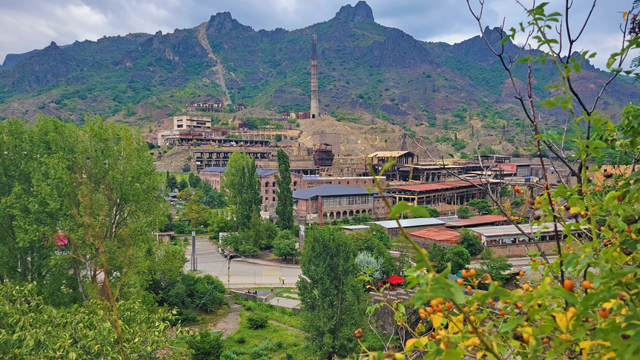
Nestled deep within the Debed Canyon, Alaverdi offers a surreal encounter with Armenia’s industrial history. Large-scale copper smelting began here in 1770 under Georgian royal decree, eventually evolving into a massive Soviet industrial hub by the mid-twentieth century that reshaped the entire surrounding canyon landscape.
Suspended high above the rushing river, a quiet cable car built in 1977 once ferried miners up the sheer gorge walls. Today, towering brick chimneys, weathered concrete facades, and rusting industrial structures blend dramatically into steep green mountains, chronicling centuries of copper extraction while wild vegetation slowly reclaims the complex.
Alaverdi is not a ghost town, though significant parts of its industrial footprint are abandoned. While the massive copper smelting plant shut down operations in 2018 and the historic 1977 passenger cable car is no longer in service, Alaverdi remains an active municipality with thousands of residents living, working, and raising families in the town and its surrounding neighborhoods.
3 MiG-21
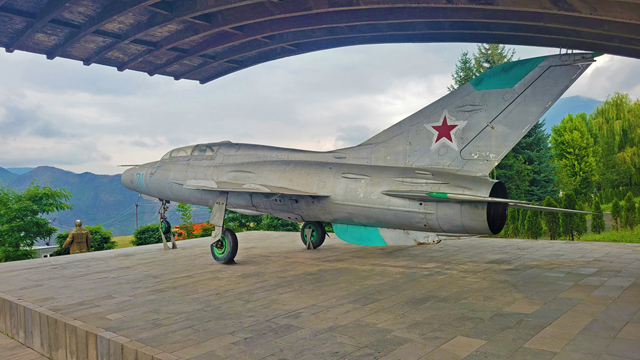
The Mikoyan Brothers Museum in Sanahin pays tribute to Soviet political leader Anastas and aviation pioneer Artem. Housed beside a supersonic MIG-21 jet aircraft, the exhibit displays personal flight gear and historic photographs that detail a monumental legacy in modern aerospace engineering.
Founders Artem Mikoyan and Mikhail Gurevich started the original design bureau, known as OKB-155, in the Soviet Union in 1939. The famous name MiG carries a specific breakdown: the Mi comes from Mikoyan, the G comes from Gurevich, and the lowercase i is the Russian word for and. Inside this quiet mountain setting, visitors encounter the extraordinary history behind iconic fighter aircraft that redefined global aviation.
2 Haghpat
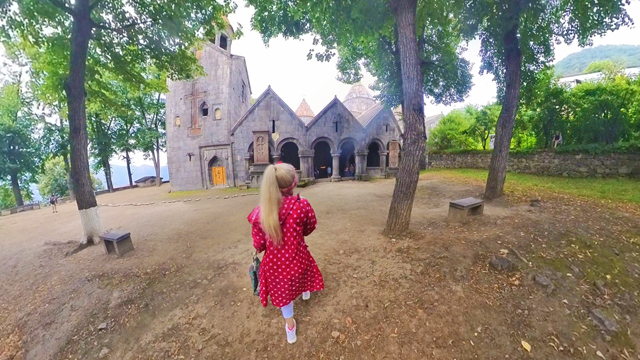
Perched high above the Debed Canyon, Haghpat Monastery Complex, built between 976 and 991, showcases brilliant tenth-century medieval Armenian architecture. Intricate stone carvings ornament dark basalt walls, while a unique three-story bell tower built in 1245 stands proudly beside soaring vaulted scriptoriums, reflecting the intellectual energy of ancient religious scholars.
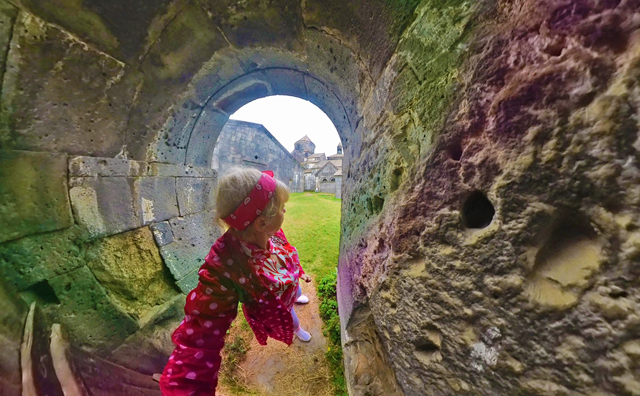
Sunlight filters gently through narrow stone apertures, illuminating sacred chambers where medieval monks once painted precious illuminated manuscripts.
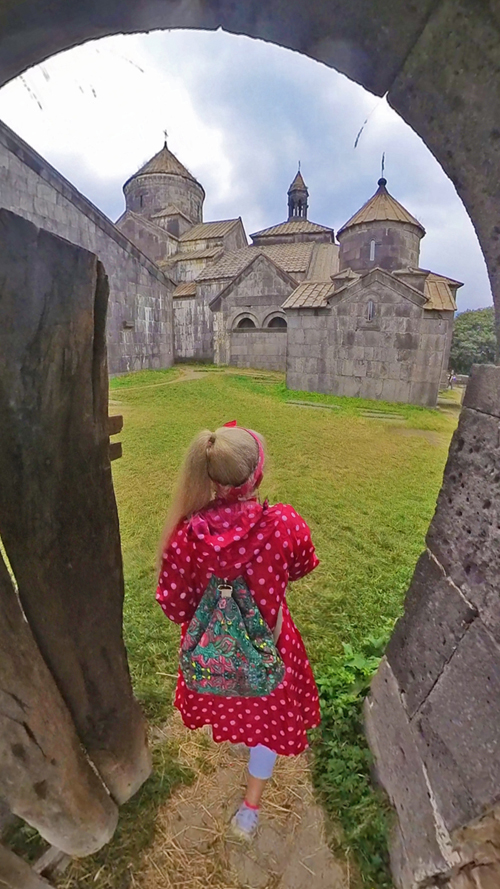
Throughout the peaceful courtyard, intricately carved cross-stones from the eleventh century stand among ancient covered walkways, offering travelers a captivating glimpse into a deeply spiritual legacy preserved high in the quiet mountains.
1 Akhtala
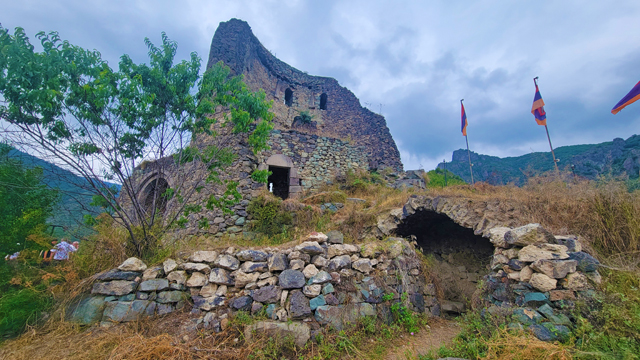
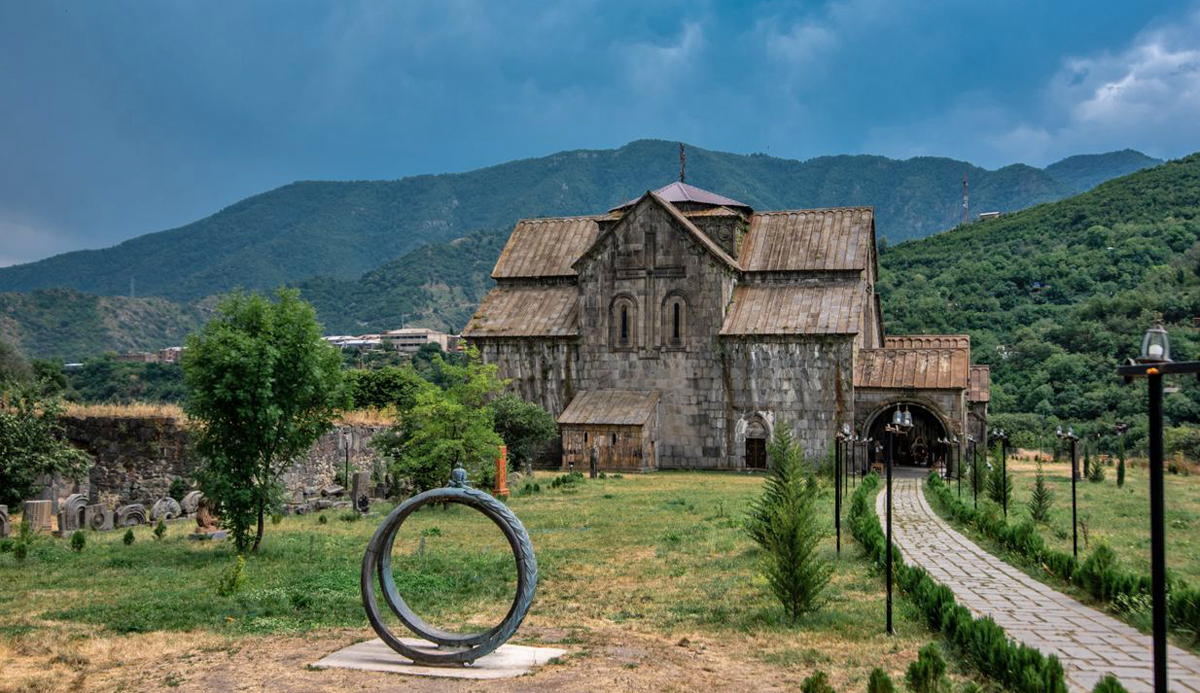
Perched dramatically on a rocky promontory, Akhtala Monastery and Fortress command the surrounding Debed Canyon. Thirteenth-century builders constructed these massive defense walls from local dark basalt, turning the cliff edge into a formidable defensive stronghold.
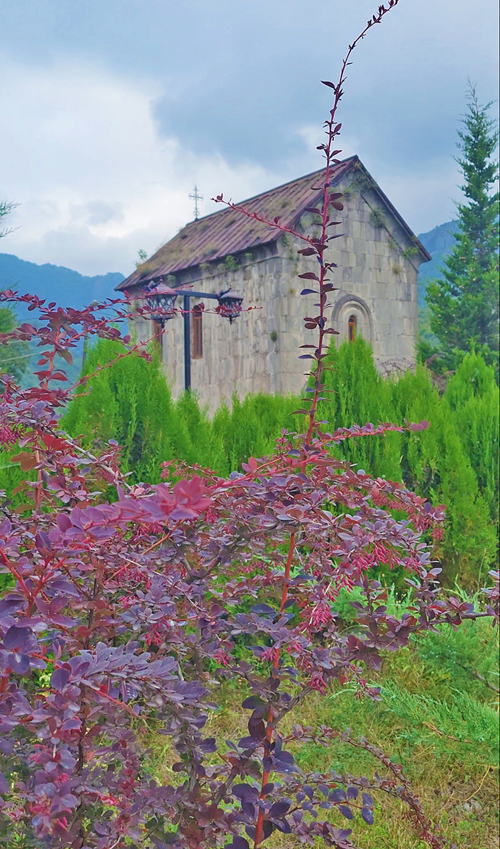
Approaching the grounds, a striking modern sculpture of giant interlocking copper wedding rings frames the ancient church in the distance, honoring local mining lore and symbolizing eternal union. This was one of my favorite reasons to visit Northern Armenia!
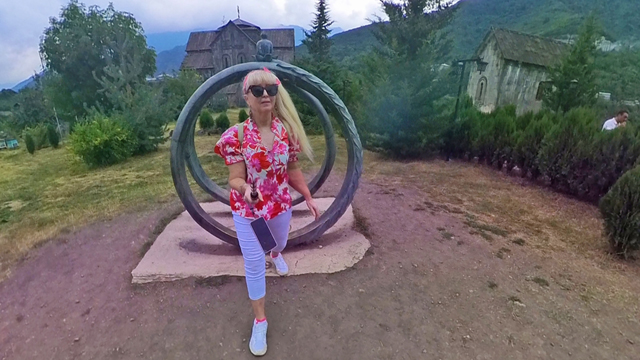
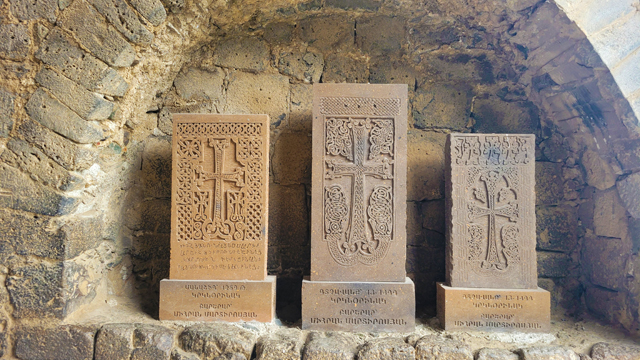
The main church of Saint Astvatsatsin stands inside the fortress grounds, seamlessly blending traditional Armenian stone masonry with Georgian architectural influences from the reign of the Bagratid dynasty. Stepping through the arched stone portal reveals one of the most remarkable interior spaces in the Caucasus region.
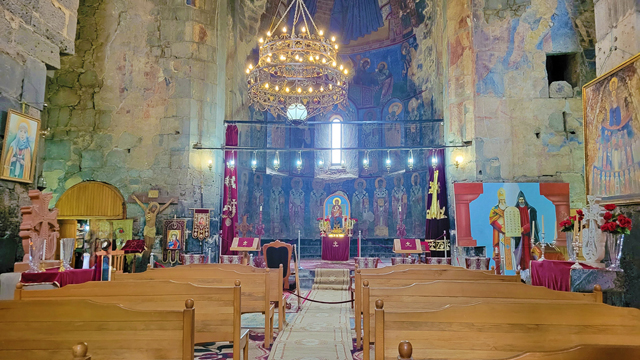
Vibrant thirteenth-century frescoes cover the inner walls, showing radiant lapis-lazuli blues and deep ochre tones that depict intricate biblical scenes. These rare paintings survived centuries of invasions and mountain weather, leaving an indelible artistic footprint for anyone wandering through this stone citadel.
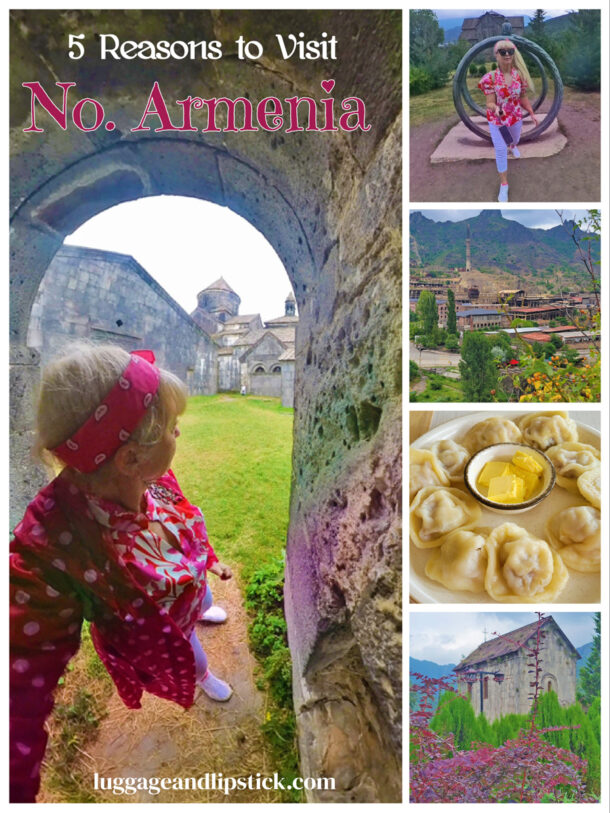
Click below to PIN so you can find reasons to visit Northern Armenia again:
This article may contain affiliate/compensated links. For full information, please see our disclaimer.
About the Author
Patti Morrow is a travel influencer and founder of the award-winning international blog Luggage and Lipstick. TripAdvisor called her one of the “20 Baby Boomer Travel Bloggers Having More Fun Than Millennials,” and she was named one of the “Top 35 Travel Blogs” in the world.
She is also the star of the upcoming TV series “Destination Takeover,” which is scheduled to premiere in the near future.
Patti is the author of the book “Girls Go Solo: Tips for Women Traveling Alone,” and has over 150 bylines in 40 print and online publications, including The Huffington Post, International Living Magazine, Washington Post Sunday Travel, Travel Girl, Travel Play Live Magazine, and Ladies Home Journal. Her blog articles are consistently featured on Google’s AI search, as well as appearing on page one of Google search for specific keywords.
She has traveled extensively through six continents and more than 100 countries and island territories – putting her in an elite club of having traveled more than 99.99% of people! She is always looking for fabulous destinations, exotic beaches, and adventure activities for her Baby Boomer tribe.

Leave a reply