
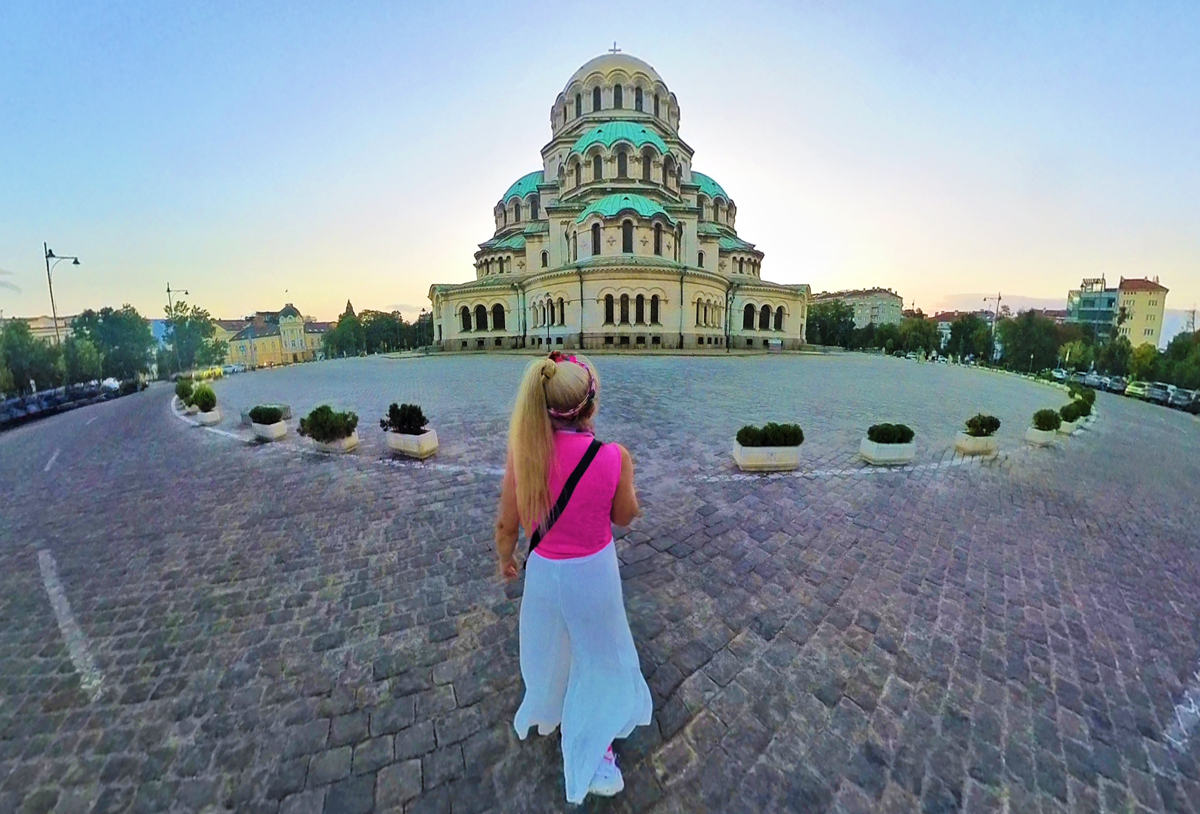
Bulgaria packs an extraordinary amount of history into a relatively small country, where ancient ruins, Ottoman-era streets, Orthodox monasteries, and colorful National Revival houses unfold against mountains and Black Sea shores. The places to visit in Bulgaria reveal a country shaped by Thracians, Romans, medieval Bulgarian rulers, and centuries of cultural exchange.
From the cobbled lanes of Koprivshtitsa to the ancient hills of Plovdiv, each destination has its own atmosphere and stories. Sofia layers Roman ruins beneath a modern capital, Rila Monastery glows with frescoes in a mountain valley, and Nessebar seems to float between history and sea. Together, they create a fascinating journey through Bulgaria’s past and present.
Brief History
Bulgaria’s history reaches from ancient Thracian settlements through Roman and Byzantine rule, medieval Bulgarian empires, Ottoman domination, and the National Revival. Its cultural identity was shaped by Christianity, Slavic literature, powerful medieval rulers, and the struggle for independence before modern Bulgaria emerged in the late 19th century.
- 681: Khan Asparuh established the First Bulgarian Empire, which grew into a major European power; under Tsar Simeon I, who ruled from 893 to 927, Bulgaria reached an especially powerful and culturally influential period
- 864: Khan Boris I adopted Christianity, bringing Bulgaria into the Christian world and helping create conditions for the development of Slavic literature; in 886, disciples of Cyril and Methodius were welcomed into Bulgaria and established important literary centers
- 1396: The Second Bulgarian Empire fell to the Ottoman Empire, beginning nearly five centuries of Ottoman rule; Bulgarian culture and identity were preserved through Orthodox monasteries, religious traditions, education, and communities
- 1876 to 1878: The April Uprising began in Koprivshtitsa in 1876 and was violently suppressed, drawing international attention to the Bulgarian cause; the Russo-Turkish War followed, and the Treaty of Berlin in 1878 established the autonomous Principality of Bulgaria
5 Koprivshtitsa
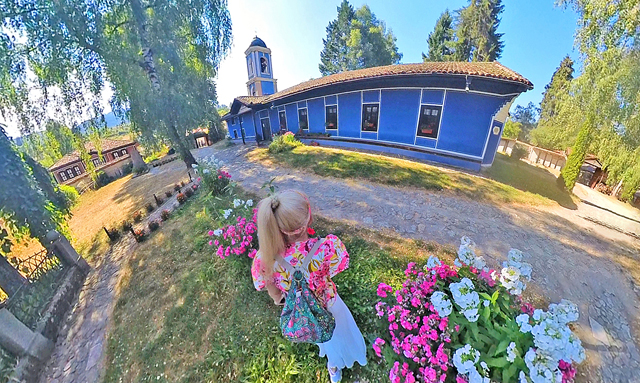
Koprivshtitsa feels like a town preserved inside a history book, but its steep lanes, stone walls, flower-filled gardens, and brightly painted houses give it far more character than a museum ever could. Nestled in the Sredna Gora Mountains, the town flourished during Bulgaria’s National Revival in the 18th and 19th centuries as a center of trade, crafts, and education. Many of its handsome houses belonged to wealthy merchants, with sturdy stone foundations and upper floors enclosed by projecting wooden balconies. The town’s distinctive architecture, surrounded by forested hills, makes wandering its streets feel like stepping into 19th-century Bulgaria, and earns its place as one of the best places to visit in Bulgaria.
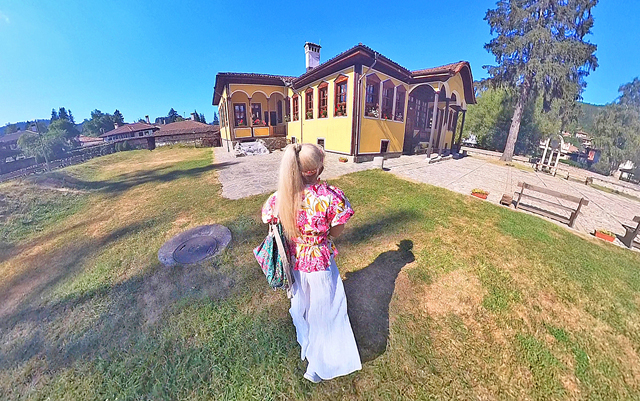
Koprivshtitsa also occupies an important place in the story of Bulgarian independence. The April Uprising against Ottoman rule began here on April 20, 1876, when revolutionaries raised the banner of rebellion. The uprising was brutally suppressed, but the violence drew international attention and helped fuel the events that led to Bulgarian liberation in 1878. Today, museums occupy several historic houses, including the home of revolutionary Todor Kableshkov. The cobbled streets, wooden gates, stone bridges, and traditional homes are not merely picturesque details; they preserve the physical setting of one of the most consequential chapters in Bulgarian history.
4 Nessebar
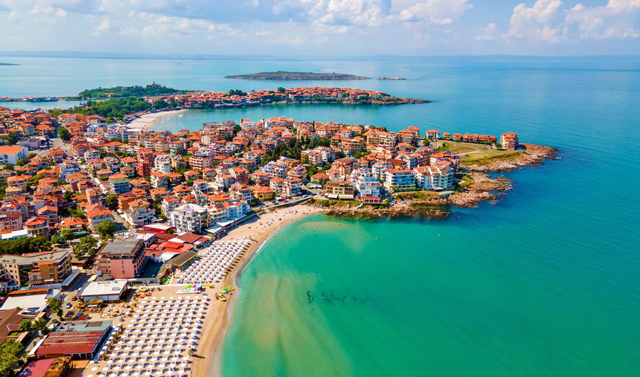
Nessebar occupies a narrow peninsula jutting into the Black Sea, where layers of civilization seem stacked beneath every uneven stone. Originally established by Thracians, the ancient settlement became the Greek colony of Mesembria around the 6th century BC. Greek traders brought maritime wealth, while later Roman and Byzantine rulers added their own imprint.
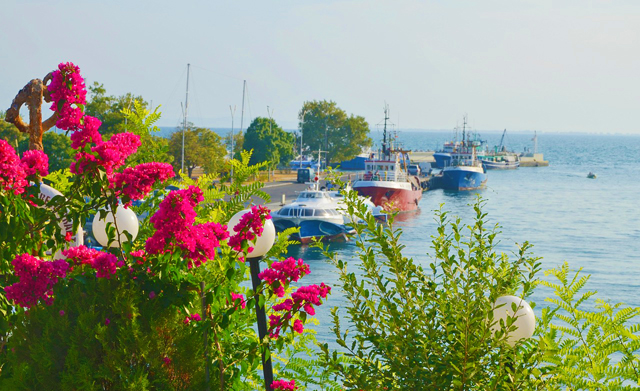
The peninsula is especially renowned for its remarkable concentration of medieval churches, many built from alternating bands of stone and brick. Their decorative facades feature arches, ceramic ornaments, and intricate geometric patterns, creating an architectural style distinctly different from the grand domed churches found elsewhere in Bulgaria.
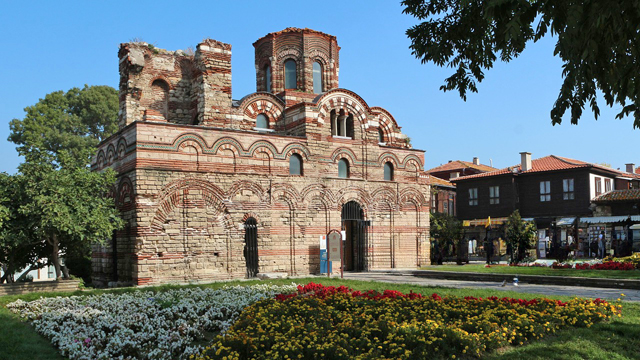
Walking through Old Nessebar is an atmospheric journey through centuries of Black Sea history. Narrow cobbled lanes wind past timber-framed houses with whitewashed lower levels and projecting wooden upper stories, while fragments of ancient walls rise unexpectedly beside restaurants and quiet courtyards. The Church of Saint Stephen is particularly notable for its richly preserved medieval frescoes, while the ruins of earlier churches reveal how important the town was during the Middle Ages. Nessebar became a UNESCO World Heritage Site in 1983, recognizing its unusual combination of ancient archaeology, medieval architecture, traditional houses, and coastal setting.
3 Sofia
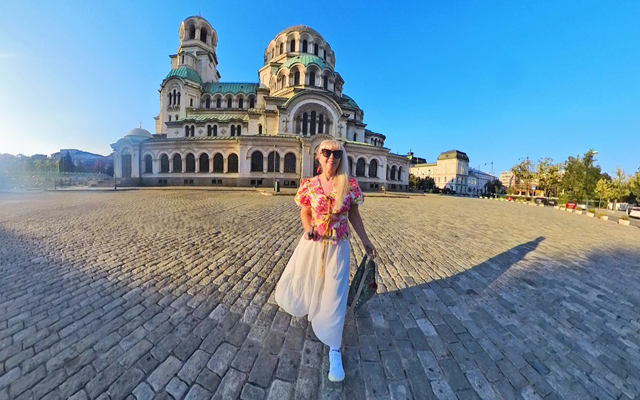
Sofia is a city where history refuses to stay buried. Beneath the modern capital are remnants of ancient Serdica, the Roman settlement that grew into an important regional center. Emperor Constantine the Great spent considerable time here and famously regarded Serdica as one of his favored cities.
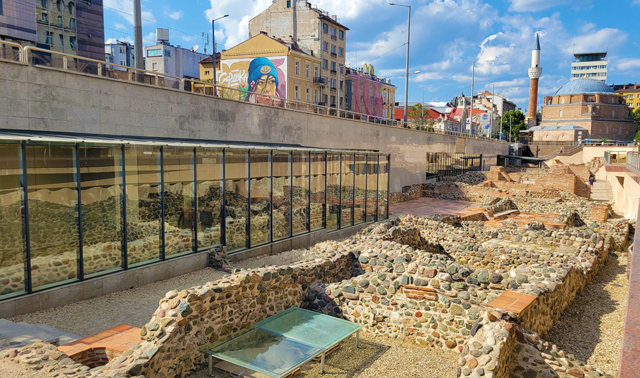
Roman streets, walls, and buildings can still be seen around the city center, creating an intriguing contrast with later landmarks. The red-brick Church of Saint George, built in the 4th century, stands among Roman ruins, while the massive Alexander Nevsky Cathedral dominates the skyline with its gilded domes and Neo-Byzantine architecture.
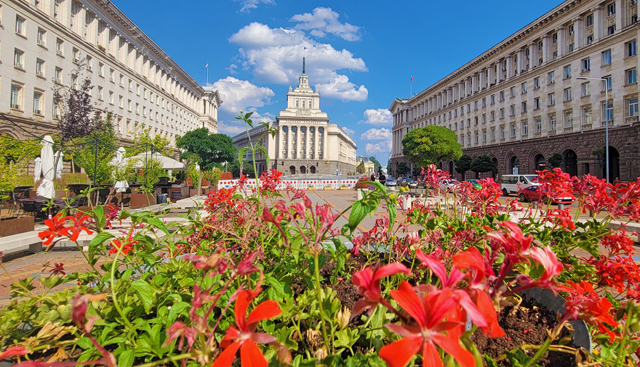
The city center becomes an architectural timeline as you walk, passing Ottoman, Bulgarian Revival, Neoclassical, Neo-Renaissance, and early modern buildings within a surprisingly compact area. Saint Sofia Church dates largely from the 6th century and gave the modern city its name, while the Russian Church adds a jewel-like presence with its ornate exterior and golden domes.
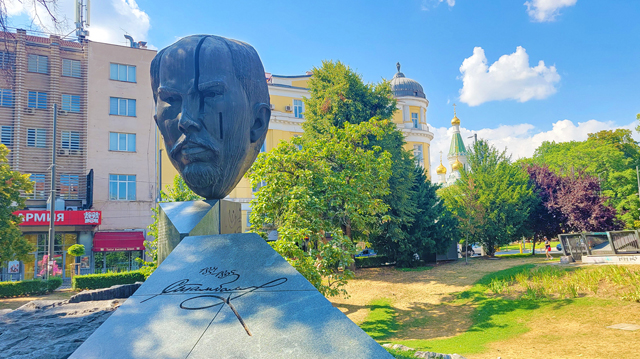
Sofia’s streets also reveal a more recent chapter of Bulgarian history through grand civic buildings, parks, monuments, and remnants of the communist era. It is a capital best explored slowly, because Roman stones, medieval churches, and modern city life frequently appear within the same view.
2 Rila Monastery
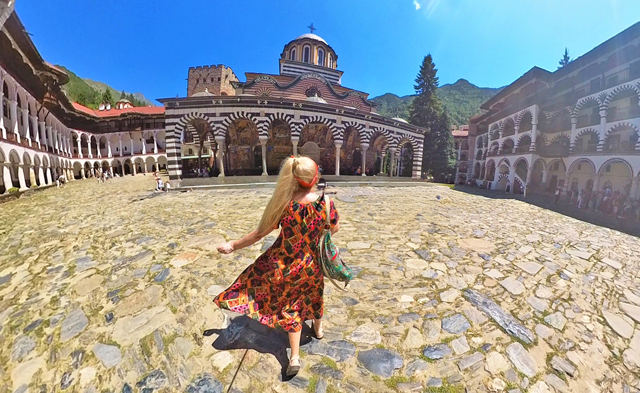
Rila Monastery rises dramatically from the forested Rila Mountains, its fortress-like exterior concealing a courtyard alive with color, carved wood, and intricate frescoes. Founded in the 10th century by Saint Ivan of Rila, a revered hermit and spiritual figure, the monastery became one of the most important centers of Bulgarian Orthodox Christianity.
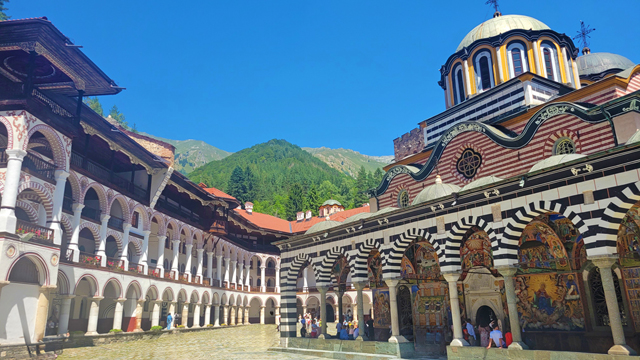
Much of the present complex dates from the 19th century after a devastating fire in 1833. Its architecture combines massive stone walls with elegant arcades, striped brick-and-stone decoration, wooden balconies, and richly painted surfaces, creating a striking contrast between defensive solidity and elaborate ornament.
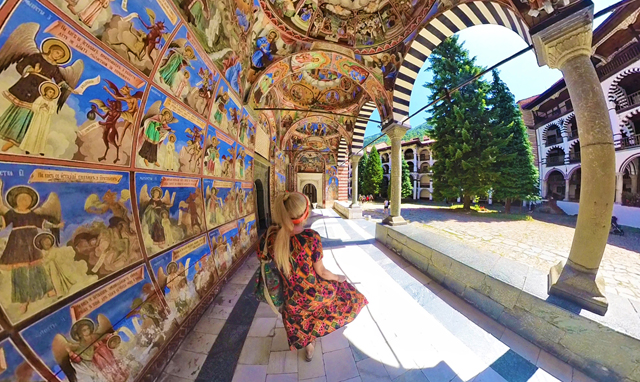
The Church of the Nativity of the Virgin is the visual heart of the complex, with brilliantly colored frescoes covering its exterior arcades and interior spaces. Scenes depict biblical stories, saints, angels, and vivid images of heaven and hell, while the carved wooden iconostasis adds another layer of craftsmanship. The monastery also houses a museum containing historic manuscripts, religious objects, and the famous Rafail’s Cross, an intricately carved wooden cross completed in 1802. Rila Monastery became a UNESCO World Heritage Site in 1983 and remains a remarkable expression of Bulgarian faith, art, architecture, and cultural resilience.
1 Plovdiv
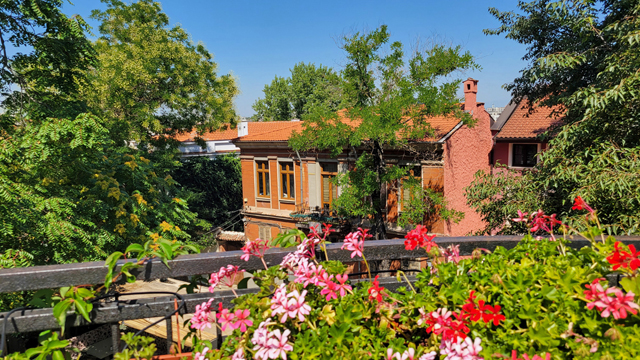
Plovdiv is a city built in layers, with ancient history woven directly into its modern streets. Settled for thousands of years, it developed around a series of hills and became the Thracian settlement of Eumolpias before being conquered by Philip II of Macedon in the 4th century BC. Under the Romans, it became Philippopolis, a prosperous city filled with monumental buildings.
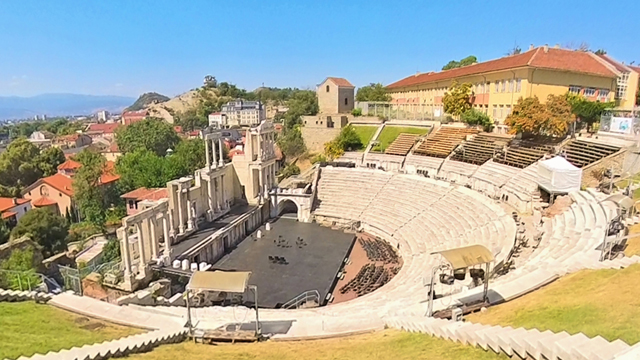
The remarkably preserved Roman Ancient Theatre still curves around the hillside, while the nearby Ancient Stadium once accommodated thousands of spectators. Wandering through the city reveals archaeological remains alongside colorful 19th-century National Revival houses.
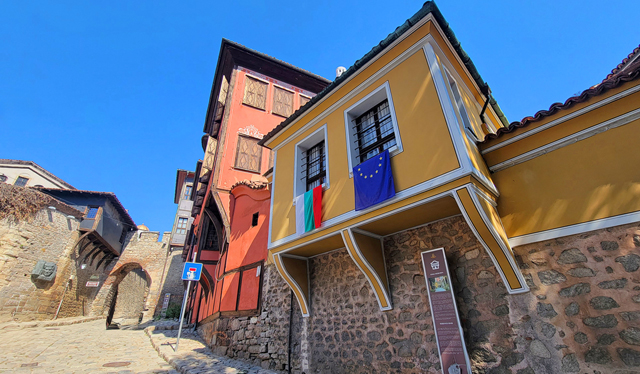
Plovdiv’s Old Town is especially captivating, with steep cobbled lanes and richly decorated merchant houses featuring painted interiors, carved ceilings, projecting upper stories, and enclosed balconies.
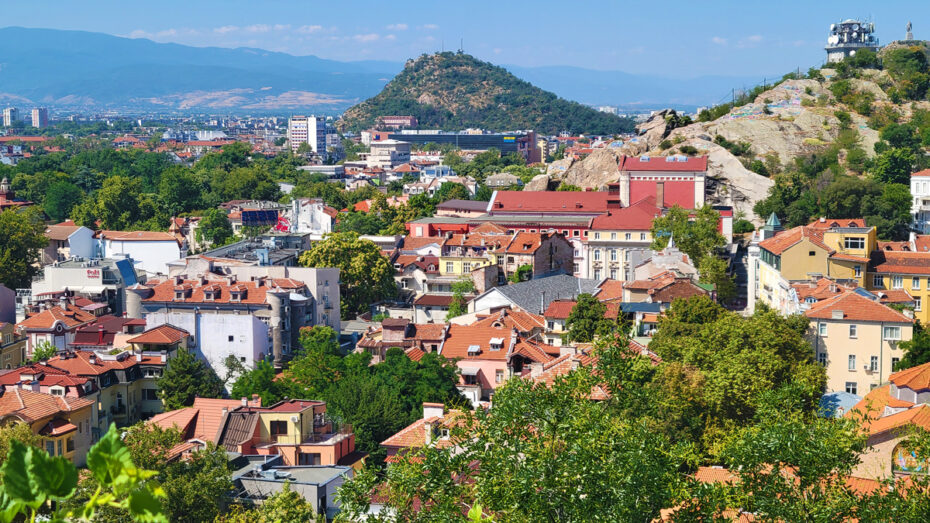
The Dzhambaz Tepe hillside offers views across the city, while the East Gate provides another glimpse into Roman Philippopolis. At street level, the Kapana district brings a completely different energy, with narrow lanes filled with galleries, studios, cafes, and restaurants.
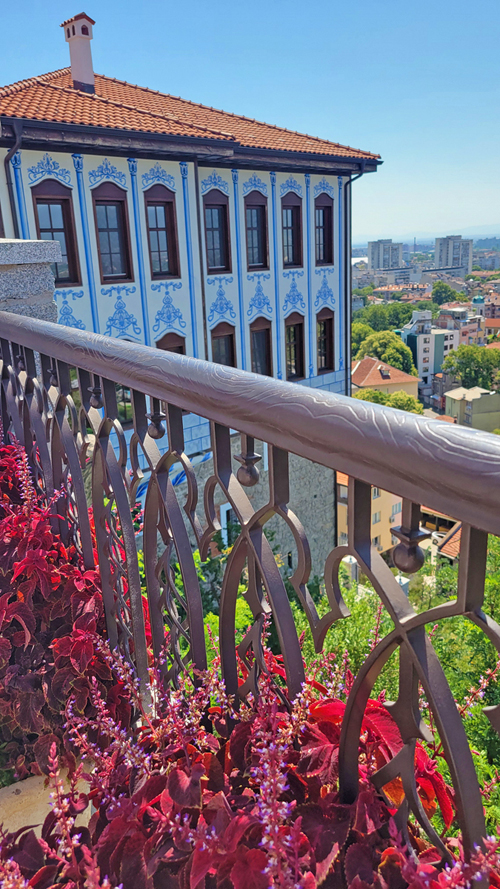
In 2019, Plovdiv became the first Bulgarian city to serve as European Capital of Culture. Its mixture of Thracian, Roman, Byzantine, Ottoman, Revival, and contemporary influences makes the city feel less like a collection of monuments and more like a living historical landscape.
Conclusion

From mountain monasteries and ancient Roman ruins to Black Sea churches and National Revival villages, places to visit in Bulgaria offer a remarkable variety within a compact landscape. These places to visit in Bulgaria reveal layers of history without feeling frozen in the past. Exploring them brings architecture, culture, and centuries of human stories vividly together.
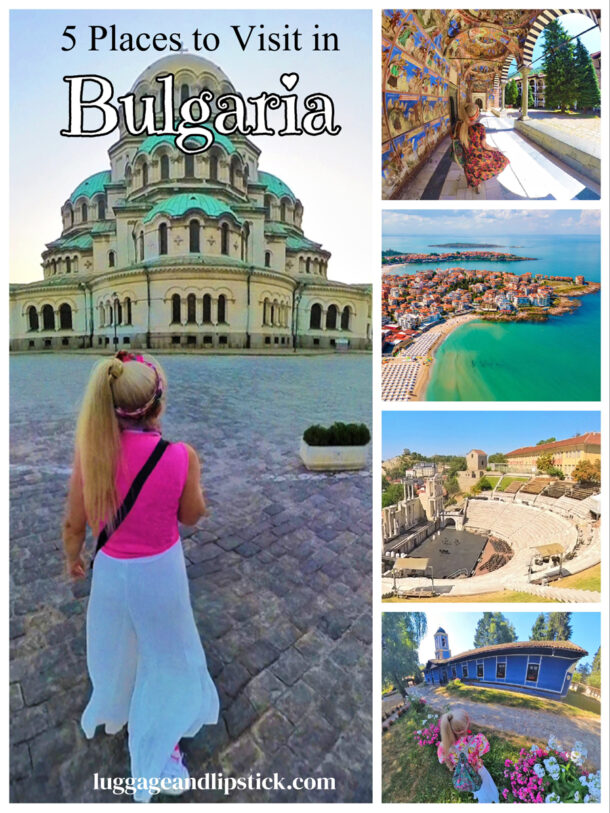
Click below to PIN so you can find places to visit in Bulgaria again:
This article may contain affiliate/compensated links. For full information, please see our disclaimer.
About the Author
Patti Morrow is a travel influencer and founder of the award-winning international blog Luggage and Lipstick. TripAdvisor called her one of the “20 Baby Boomer Travel Bloggers Having More Fun Than Millennials,” and she was named one of the “Top 35 Travel Blogs” in the world.
She is also the star of the upcoming TV series “Destination Takeover,” which is scheduled to premiere in the near future.
Patti is the author of the book “Girls Go Solo: Tips for Women Traveling Alone,” and has over 150 bylines in 40 print and online publications, including The Huffington Post, International Living Magazine, Washington Post Sunday Travel, Travel Girl, Travel Play Live Magazine, and Ladies Home Journal. Her blog articles are consistently featured on Google’s AI search, as well as appearing on page one of Google search for specific keywords.
She has traveled extensively through six continents and more than 100 countries and island territories – putting her in an elite club of having traveled more than 99.99% of people! She is always looking for fabulous destinations, exotic beaches, and adventure activities for her Baby Boomer tribe.

Leave a reply