
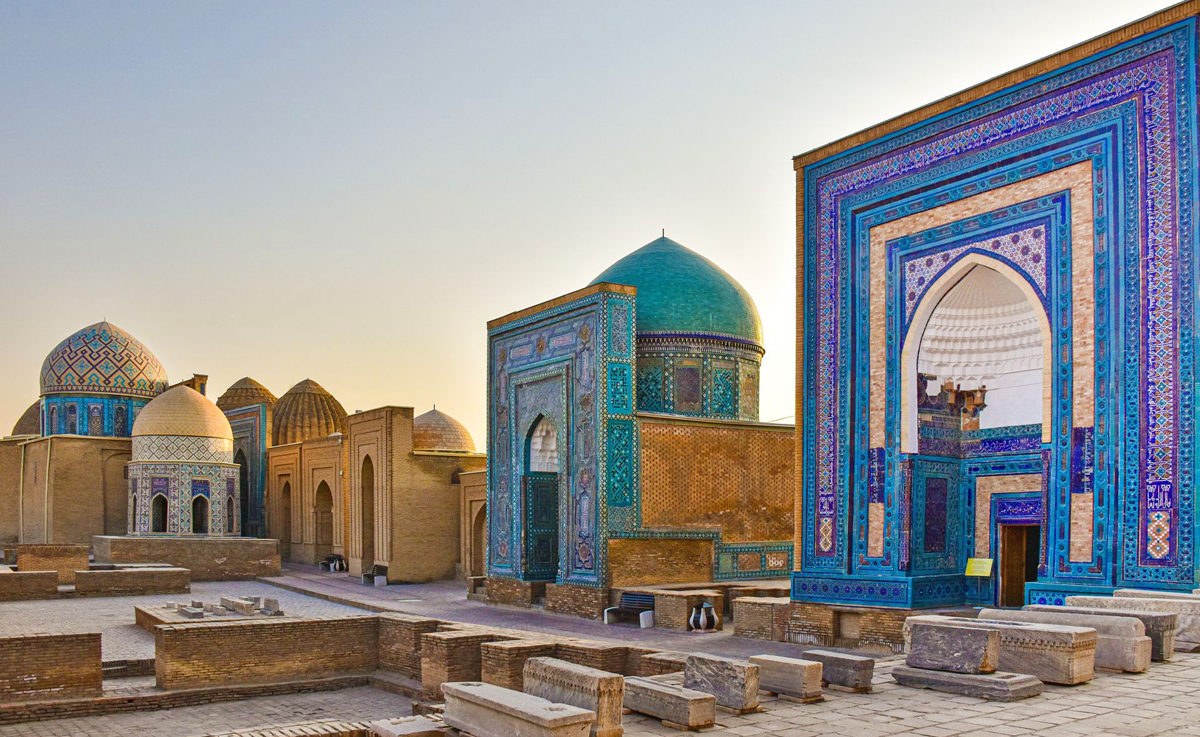
For centuries, merchants, pilgrims, conquerors, and adventurers crossed a vast network of routes stretching from China to the Mediterranean. Today, the cities on the Silk Road you can still visit offer an extraordinary chance to follow those ancient connections through bustling bazaars, weathered fortresses, grand monuments, and streets shaped by generations of travelers. Each destination reveals a different piece of this sprawling story.
Some cities grew around desert caravan routes, while others thrived beside rivers, mountain passes, or busy ports. Their architecture, food, markets, and cultural traditions still carry traces of distant influences, creating a fascinating journey through places where civilizations met, exchanged ideas, and left their mark on one another.
Note: These cities are ranked from best to visit, not necessarily by historical importance on the Silk Road.
Brief History
The Silk Road was not a single road but a shifting network of land and maritime routes connecting China, Central Asia, India, the Middle East, and Europe. Its roots reached back more than 2,000 years, carrying merchandise, religions, technologies, languages, and ideas between distant civilizations.
- Around 130 BCE, Han dynasty contacts with Central Asia helped expand long-distance trade routes westward from China.
- During the Roman and Byzantine periods, silk and other luxury goods traveled through Central Asia and the Middle East toward Mediterranean markets.
- From the 13th century, Mongol rule brought greater security across large sections of the overland network, encouraging renewed movement between East and West.
16 Konya, Türkiye

Konya stood along routes connecting Anatolia with Central Asia, Persia, and the Mediterranean, making it an important stop for merchants and travelers moving across the western reaches of the Silk Road. Under the Seljuks of Rum, particularly during the 12th and 13th centuries, the city became a prosperous center surrounded by caravan routes. Seljuk rulers built caravanserais, mosques, schools, and markets that supported long-distance commerce.
The city’s most famous historical figure, Jalal al-Din Rumi, arrived in Konya in 1228 and later became associated with the city forever. His presence reflects another side of Silk Road exchange: ideas and spiritual traditions traveled alongside merchandise. Today, Konya’s monuments preserve the atmosphere of a major medieval Anatolian crossroads.
Click here to read: 21 Best Cities of Turkey to Visit
Click here for tour: Complete Turkey
15 Cochin, India

Cochin, now known as Kochi, belonged to the maritime world that complemented the overland Silk Road. Located on India’s Malabar Coast, its sheltered harbor attracted merchants sailing between the Indian subcontinent, Arabia, Persia, Southeast Asia, and East Africa. Spices, especially pepper, made the region enormously important to international commerce, while textiles, precious goods, and other commodities moved through its port.
Chinese, Arab, Jewish, and European merchants all left traces in the city’s history. Chinese fishing nets and the old trading quarters evoke this multicultural past, while the arrival of Portuguese forces in 1503 marked a dramatic new chapter. Cochin demonstrates how the Silk Road extended beyond dusty caravan trails into a vast network of sea lanes.
Click here to read: Here’s How to Visit Tourist Places in West India
Click here for tour: India’s Ancient Ruins & Kerala Beaches
14 Bombay, India
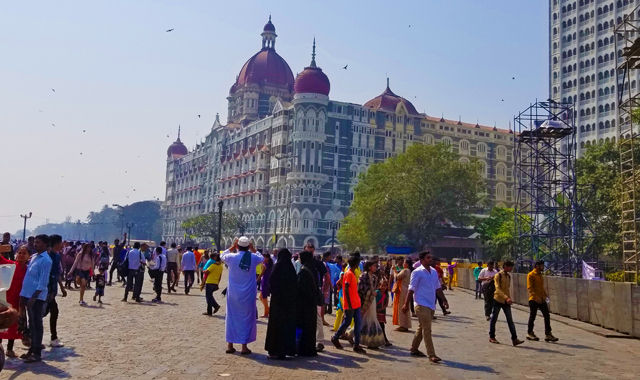
Bombay, now known as Mumbai, developed as a major maritime gateway on India’s western coast, connecting the subcontinent with Arabian ports and trading centers farther west. Its deep harbor supported commerce in cotton textiles, spices, gemstones, and other valuable goods that circulated through the Indian Ocean network. Long before modern Mumbai emerged, coastal trade tied western India to merchants from Arabia, Persia, and beyond.
The city’s importance expanded dramatically under Portuguese and later British rule, particularly from the 17th century onward. Its colonial architecture reflects this later commercial transformation, but the maritime connections beneath it are much older. Bombay belongs on a Silk Road journey because it shows how Indian Ocean shipping carried the same international exchange of goods and ideas that moved along overland routes.
Click here to read: Here’s How to Visit Tourist Places in West India
Click here for tour: India’s West Coast, North to South
13 Khujand, Tajikistan
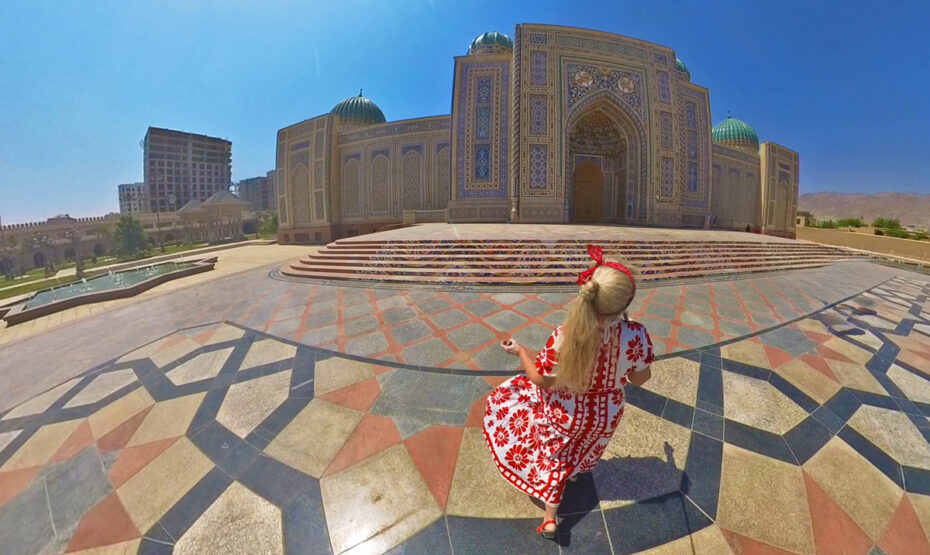
Khujand occupied a strategic position in the Fergana Valley, where routes from Central Asia could connect with trading centers farther east and west. Founded more than 2,000 years ago, the city developed beside the Syr Darya and became an important point on routes linking Fergana with Samarkand, Tashkent, and other Central Asian centers. Its location made movement through the region both practical and lucrative.
Markets were essential to Khujand’s identity, and Panjshanbe Bazaar continues that tradition with colorful displays of fruit, spices, nuts, fabrics, and local foods. The city’s fortress, mausoleum, and historic market area reveal different layers of its past. Khujand offers a glimpse into the Central Asian crossroads where merchants, craftsmen, scholars, and travelers constantly intersected.
Click here to read: Best Tourist Attractions in Khujand, Tajikistan
Click here for tour: Uzbekistan & Tajikistan Silk Roads
12 Tashkent, Uzbekistan
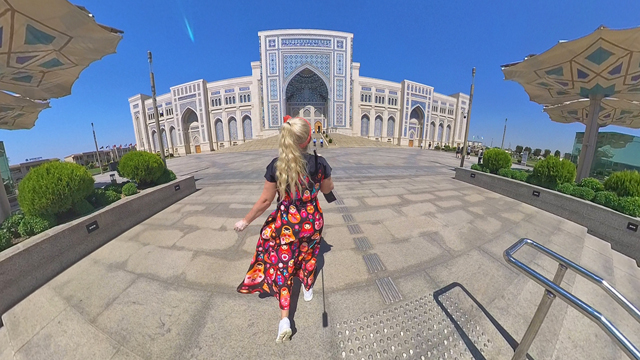
Tashkent grew into an important trading center because of its position between the agricultural lands of Central Asia and routes leading toward China, Persia, and the Middle East. Known historically as Chach, the settlement was already connected to regional commerce more than a thousand years ago. Caravans passed through the surrounding area carrying textiles, metals, horses, spices, and other goods.
The city became particularly significant as trade expanded across the routes linking the Fergana Valley with Samarkand and farther west. Tashkent’s Old Town, traditional houses, mosques, and Chorsu Bazaar preserve elements of this commercial heritage. Beneath the modern city lies the story of a place where travelers and merchants repeatedly crossed paths while moving between some of Asia’s great civilizations.
Click here for tour: Uzbekistan & Tajikistan Silk Roads
11 Hanoi, Vietnam
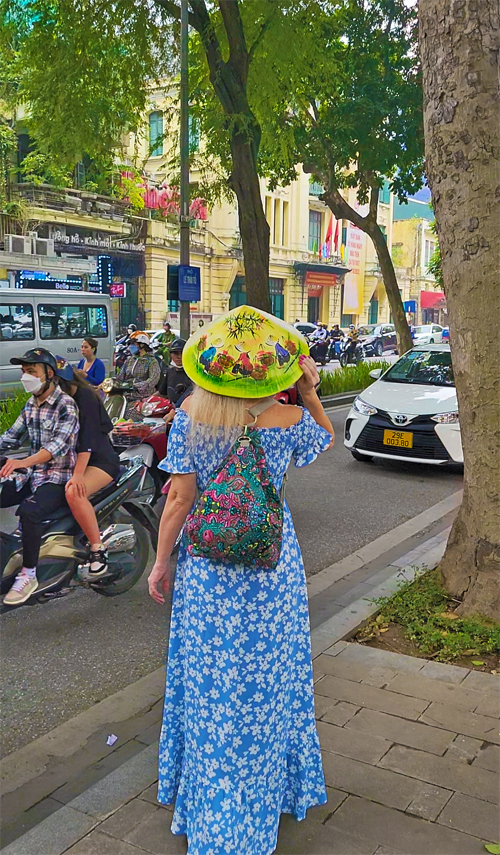
Hanoi was connected to the eastern maritime networks of the Silk Road through northern Vietnam’s rivers, ports, and coastal trade routes. Its location near the Red River placed it within a region linked to southern China and the wider South China Sea, where merchants exchanged ceramics, textiles, spices, and other goods. Chinese influence was especially strong over many centuries.
The city’s trading importance continued through different political eras, with nearby waterways helping connect inland communities to coastal commerce. Hanoi’s Old Quarter preserves the memory of specialized craft and trading districts, where streets became associated with particular goods and professions. Rather than representing the western end of a caravan route, Hanoi illustrates how the Silk Road’s eastern networks extended into Southeast Asia through rivers and seas.
Click here to read: The Most Beautiful Places in Vietnam for 1st Time Visitors
Click here for tour: Essential Vietnam & Cambodia
10 Almaty, Kazakhstan
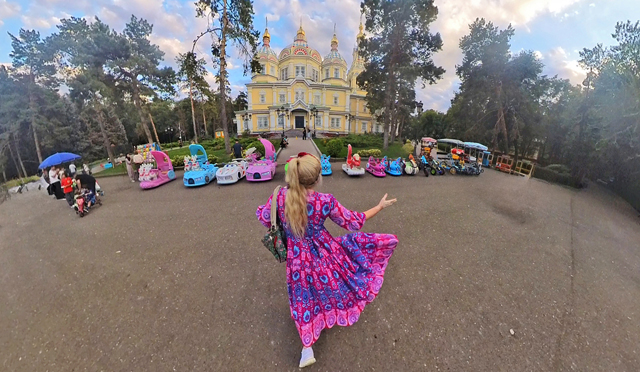
The region around Almaty lay within the network of routes crossing the Tian Shan foothills and connecting China with Central Asia. Merchants traveling between eastern China, the Fergana Valley, and lands farther west could move through this mountainous corridor, carrying silk, horses, metals, spices, and other valuable commodities. Settlements in the area benefited from the movement of people and goods along these routes.
Modern Almaty is a much younger city, but its surroundings preserve the geography that made this region important. Mountains, valleys, and ancient routes shaped movement across southeastern Kazakhstan, while nearby sites such as the Tamgaly petroglyphs reveal a much older human presence. Almaty offers a striking view of the landscapes through which Silk Road travelers once crossed Central Asia.
Click here to read: 12 Things to Do in Almaty, Kazakhstan: From Silk Road to Mountain Wilds
Click here for tour: Uzbekistan & Tajikistan Silk Roads
9 Rome, Italy

Rome stood at the western end of an enormous commercial system connecting the Mediterranean world with Asia. Roman merchants obtained silk and other luxury goods through intermediaries across Parthia, Central Asia, Arabia, and the eastern Mediterranean. By the first centuries CE, silk had become a coveted luxury in Rome, despite the long and complicated journey required to bring it there.
Roman roads, ports, and markets helped distribute goods throughout the empire, while Mediterranean shipping connected Rome with Egypt and the eastern Mediterranean. Trade also carried cultural influences, religious ideas, and artistic styles. Rome was not a single destination on one continuous road from China, but it was an important western consumer and redistribution center within the vast network that linked distant societies.
Click here for tour: Condensed Italy Classics – Rome, Florence, Venice
8 Tbilisi, Georgia
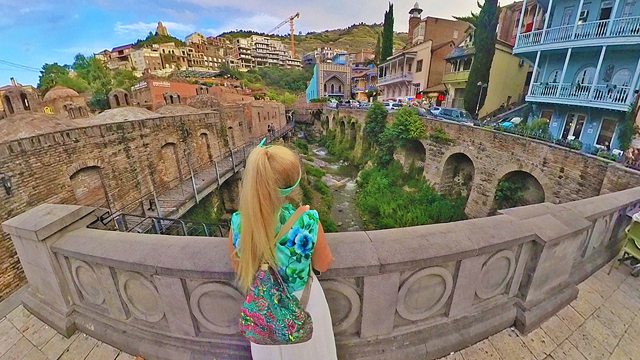
Tbilisi occupied a valuable position between the Caucasus, Persia, Anatolia, and the lands north of the mountains. Its location along the Mtkvari River allowed it to function as a crossroads for merchants traveling between eastern and western markets. During the medieval period, the city benefited from commerce moving through the Caucasus, while its location also made it strategically important to competing empires.
The city’s historic streets still reveal this layered past. Caravanserais, sulfur baths, churches, mosques, and traditional balconies reflect centuries of travelers and communities passing through Tbilisi. Its role was not simply commercial; the movement of merchants helped carry languages, religions, foods, architectural influences, and artistic traditions across the region, making Tbilisi one of the Caucasus’s most intriguing Silk Road cities.
Click here to read: One Day in Tbilisi: History, Hills & Hidden Corners
Click here for tour: Georgia Uncovered
7 Suzhou, China

Suzhou flourished as a center of silk production and trade, earning a reputation for exquisite fabrics that traveled far beyond China’s borders. Located in Jiangsu Province near the Yangtze River Delta, the city benefited from waterways connecting inland markets with coastal ports. By the Tang and Song dynasties, Suzhou had become an important commercial hub, supplying fine silk textiles that were prized by wealthy merchants and consumers throughout Asia and beyond.
Known as the Venice of the East for its canals and stone bridges, Suzhou reveals another side of Silk Road history: the skilled craftsmanship behind the goods that made long-distance trade profitable. Its classical gardens, traditional lanes, and historic waterways reflect centuries of prosperity built on silk weaving, commerce, and cultural exchange.
Click here to read: 13 Famous Cities in China You Must See
Click here for tour: China Express
6 Constantinople, Türkiye

Constantinople, now known as Istanbul, was one of the great gateways between Asia and Europe. Founded as Constantinople in 330 CE, the city became the capital of the Byzantine Empire and controlled the Bosporus, the crucial waterway linking the Black Sea and the Mediterranean. Merchants arriving from Central Asia, Persia, the Middle East, and the Black Sea could connect their goods with markets throughout Europe.
Silk was particularly important to Byzantine wealth and prestige. In the 6th century, Byzantine agents obtained silkworm eggs from Central Asia, helping establish silk production within the empire. After the Ottoman conquest in 1453, the city remained a powerful commercial center. Its bazaars, waterways, and monumental architecture reflect centuries of trade between continents.
Click here to read: 3 Days in Istanbul: Explore Turkiye’s Magnificent City!
Click here for tour: 4 Days in Istanbul
5 Xi’an, China

Xi’an was one of the most important eastern gateways of the overland Silk Road. Known as Chang’an during several imperial periods, it served as the capital of China for dynasties including the Han and Tang. From here, caravans traveled west toward the Gansu Corridor and Central Asia, carrying Chinese silk, lacquerware, ceramics, and other prized goods.
During the Tang dynasty, particularly in the 7th and 8th centuries, Chang’an became an extraordinarily cosmopolitan city. Foreign merchants, diplomats, monks, and travelers arrived from across Asia and beyond. Buddhist traditions, artistic influences, foods, and technologies entered China through these connections. The city’s archaeological remains and ancient walls offer a remarkable glimpse into the eastern starting point of long-distance Silk Road journeys.
Click here to read: 13 Famous Cities in China You Must See
Click here for tour: Highlights of China
4 Hoi An, Vietnam

Hoi An flourished as a maritime trading port, especially from the 16th through 18th centuries, when ships from China, Japan, Southeast Asia, and other regions crowded its waterways. Known historically as Faifo, the port handled ceramics, silk, spices, textiles, and other goods moving through the South China Sea. Its position gave it access to both regional and international maritime commerce.
The town’s preserved architecture reflects this extraordinary mixture of cultures. Chinese assembly halls, Japanese architectural elements, merchant houses, and riverside warehouses reveal the communities that traded here. Hoi An demonstrates how the Silk Road expanded into Southeast Asian waters, where ships replaced caravans and ports became meeting places for merchants from widely separated parts of the world.
Click here to read: Attractions & Beaches of Hoi An – Vietnam’s Prettiest City
Click here for tour: Essential Vietnam & Cambodia
3 Venice, Italy

Venice became one of Europe’s great commercial powers by mastering trade across the Mediterranean and beyond. Venetian merchants maintained extensive connections with Constantinople, the Middle East, and ports along the eastern Mediterranean, bringing silk, spices, precious stones, and luxury goods into Europe. By the medieval period, Venice had become deeply involved in the commercial networks linking Europe with Asia.
Marco Polo’s travels in the late 13th century became one of the most famous examples of Venetian engagement with the eastern world, although merchants had already been traveling between Venice and Asia for generations. The city’s palaces and warehouses preserve the wealth generated by commerce. Its canals were effectively the highways of a maritime trading empire.
Click here to read: 21 Best Things to Do in Venice: The Ultimate Guide
Click here for tour: Condensed Italy Classics – Rome, Florence, Venice
2 Petra, Jordan

If you are looking for one of the most incredible cities on the Silk Road you can still visit, look no further than Petra. This amazing complex occupied a strategic position where routes from Arabia, the Levant, Egypt, and Mesopotamia converged. The Nabataeans transformed the rose-colored city into a prosperous commercial center, particularly between the 1st century BCE and 1st century CE. Frankincense, myrrh, spices, textiles, and other valuable goods passed through Petra as caravans crossed the deserts.
The city’s elaborate tombs and monuments were supported by wealth generated through this trade. Petra also demonstrates the ingenuity required to sustain a major settlement in an arid landscape, with sophisticated systems for collecting and managing water. After Rome annexed the Nabataean kingdom in 106 CE, Petra remained part of wider imperial trade networks, although its commercial importance gradually declined.
Click here to read: Inside Petra Jordan: What to See and Do
Click here for tour: Highlights of Jordan
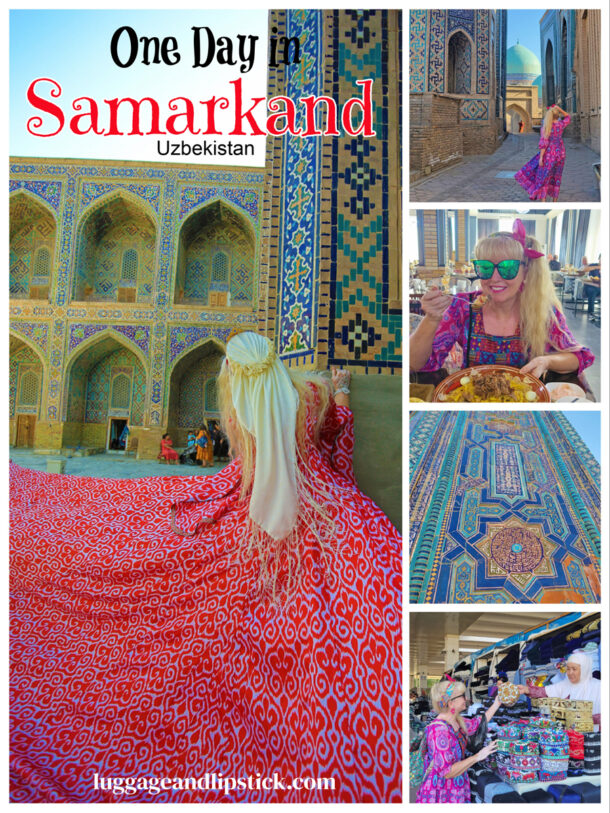
1 Samarkand, Uzbekistan
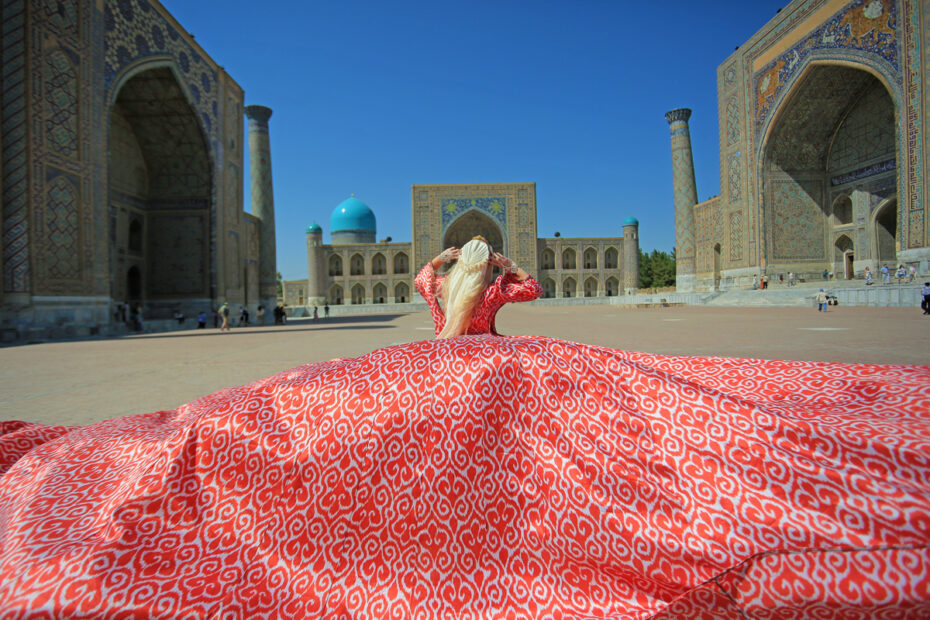
Samarkand was one of the defining crossroads of the Silk Road, positioned between China, India, Persia, and the Mediterranean world. The city was already ancient when long-distance Silk Road commerce expanded, and its strategic location allowed merchants carrying silk, spices, precious metals, paper, ceramics, and textiles to exchange goods and ideas here. Its markets drew travelers from across Asia.
Under Timur in the late 14th and early 15th centuries, Samarkand became the dazzling center of a powerful empire. He transformed the city with monumental architecture and attracted scholars, artisans, and craftsmen from conquered territories. The Registan, Shah-i-Zinda, and other historic monuments reflect this later flowering, while the city’s deeper significance comes from centuries of cultural exchange along the routes that converged here.
Samarkand is one of the most amazing cities on the Silk Road you can still visit.
Click here to read: How to Visit Samarkand in One Day.
Click here for tour: Uzbekistan & Tajikistan Silk Roads
Conclusion
It’s important to note that for these cities on the Silk Road you can still visit, there
was never a single highway but an intricate web of paths and waterways. From Xi’an to Samarkand, Petra to Venice, the cities on the Silk Road to visit reveal how trade connected civilizations and transformed architecture, cuisine, religion, technology, and everyday life across continents.
Click below to PIN so you can find cities on the Silk Road you can still visit again:
This article may contain affiliate/compensated links. For full information, please see our disclaimer.
About the Author
Patti Morrow is a travel influencer and founder of the award-winning international blog Luggage and Lipstick. TripAdvisor called her one of the “20 Baby Boomer Travel Bloggers Having More Fun Than Millennials,” and she was named one of the “Top 35 Travel Blogs” in the world.
She is also the star of the upcoming TV series “Destination Takeover,” which is scheduled to premiere in the near future.
Patti is the author of the book “Girls Go Solo: Tips for Women Traveling Alone,” and has over 150 bylines in 40 print and online publications, including The Huffington Post, International Living Magazine, Washington Post Sunday Travel, Travel Girl, Travel Play Live Magazine, and Ladies Home Journal. Her blog articles are consistently featured on Google’s AI search, as well as appearing on page one of Google search for specific keywords.
She has traveled extensively through six continents and more than 100 countries and island territories – putting her in an elite club of having traveled more than 99.99% of people! She is always looking for fabulous destinations, exotic beaches, and adventure activities for her Baby Boomer tribe.

Leave a reply